
Tile & Grout Refresh in Upstate NY: An Albany Handyman’s Guide to Regrouting, Recaulking, and Minor Tile Repair
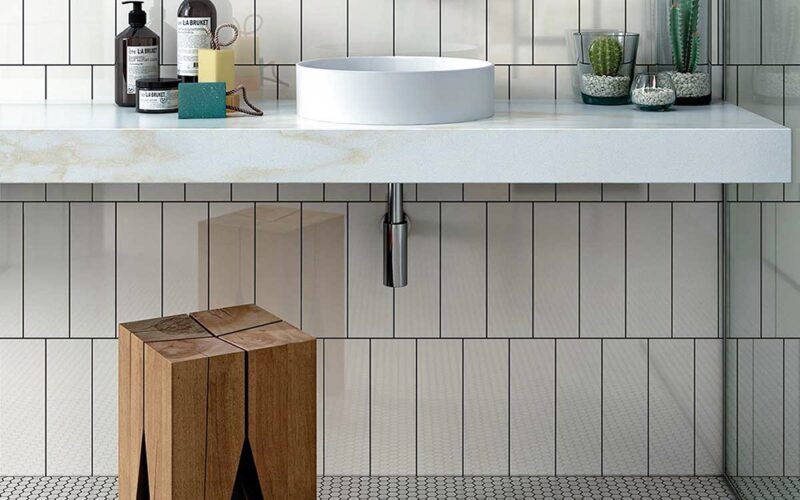
In Albany and across Upstate NY, your tile, grout, and caulk quietly protect your home from water intrusion, mold, and costly structural damage. They also make or break the look of your kitchen, bath, entryway, and mudroom. But with long winters, freeze-thaw cycles, and high summertime humidity, these surfaces work overtime and need regular refreshes: regrouting, recaulking, and minor tile repair. Whether you’ve spotted hairline cracks or your shower caulk has turned black, a timely refresh can preserve both your home’s health and its value.
If you’re weighing DIY versus professional help, or wondering when to act, this guide breaks down what to watch for, how to plan, and what a quality refresh includes. For many homeowners, partnering with an albany handyman saves time, prevents bigger problems, and delivers a clean, sealed finish. To keep things simple and reliable, many homeowners trust Local Handyman Repair for fast, detail-focused tile and grout solutions.
Why Tile, Grout, and Caulk Maintenance Matters
Tile, grout, and caulk do more than look nice—they form a barrier system that keeps water where it belongs. When any piece of that system fails, the others strain to compensate, and damage accelerates.
- Mold and mildew prevention: Clean, intact grout and fresh caulk reduce moisture pockets where microbes thrive.
- Water protection: Good grout and caulk seal the gaps. Cracks let water seep to drywall, subfloors, and framing.
- Visual appeal: Bright grout lines and neat caulk instantly modernize a space and make tile pop.
- Home value: Buyers notice updated tile. A refreshed tub surround or backsplash signals a well-maintained home.
- Lower long-term costs: Small refreshes prevent big, structural repairs later.
Pro tip: Pair tile care with a seasonal home check. See the Albany, NY Seasonal Home Maintenance Checklist to stay ahead of wear and tear throughout the year.
Signs Your Tile or Grout Needs Attention
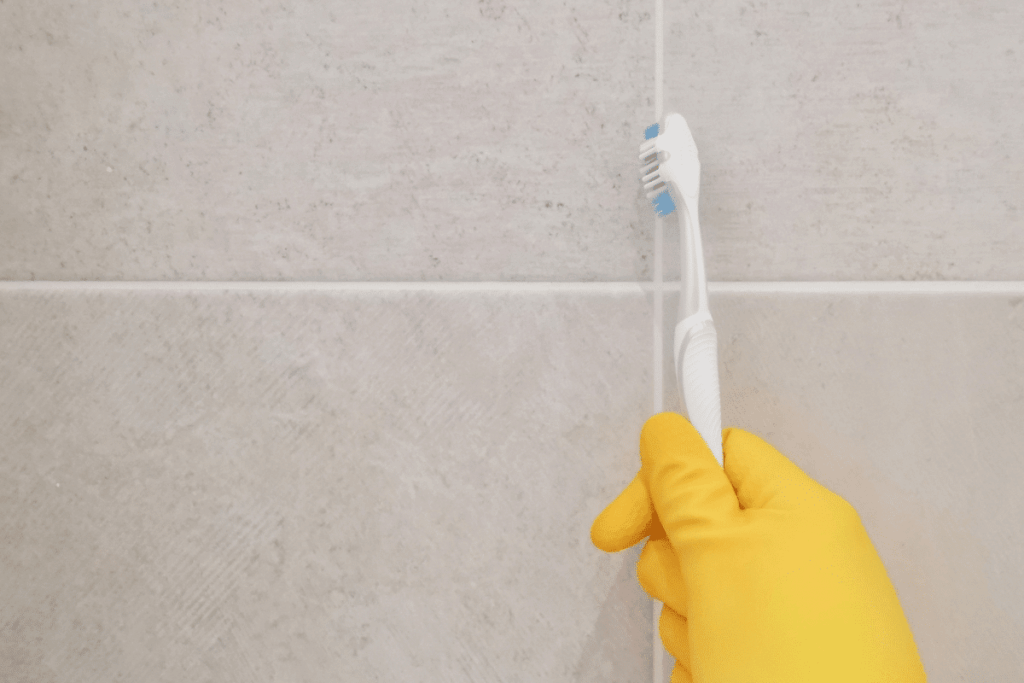
Spotting the early signs can save you from saturated subfloors and hidden mold. Look closely in these common areas:
Bathroom Showers and Tubs
- Caulk is cracked, shrinking, or peeling away from the tub or tile.
- Grout is crumbling, missing, or permanently discolored.
- Persistent mildew or musty smells after drying out the area.
- Soft walls or floor flexing near the tub or shower curb.
Kitchens and Backsplashes
- Grease-stained grout that won’t clean up.
- Loose or hollow-sounding tiles near the sink or stove.
- Gaps where countertop meets backsplash (failed caulk joint).
Entryways, Mudrooms, and Laundry
- Hairline cracks in tiles or grout lines, especially after winter.
- Grout chipping out from repeated foot traffic, salt, and grit.
- Water puddling or slow drying after snow or rain.
Basements
- Efflorescence (white chalky residue) on grout lines.
- Elevated humidity leading to persistent mildew.
- Loose tiles on slab due to moisture or shifting.
Quick Visual Guide: Common Grout and Caulk Issues and Fixes
| Issue | What You See | Severity | Likely Fix | DIY or Pro? |
|---|---|---|---|---|
| Cracked grout | Hairline fractures or missing chunks | Moderate | Remove and regrout affected joints | DIY for small areas; Pro for widespread |
| Discolored grout | Dark or stained lines that don’t clean | Low–Moderate | Deep clean, color-seal, or regrout | DIY clean; Pro for color-seal or regrout |
| Moldy caulk | Black spots; caulk pulling away | Moderate | Remove caulk, disinfect, and recaulk | DIY-capable; Pro for best longevity |
| Loose tile | Hollow sound; wobbly tile | High | Remove, reset, regrout; check substrate | Pro recommended |
| Cracked tile | Visible crack lines across tile | Moderate–High | Replace tile or fill if cosmetic | DIY for single tile; Pro for multiples |
| Failed tub/backsplash joint | Gap where surfaces meet | Moderate | Remove old caulk and recaulk with silicone | DIY-capable |
The Hidden Cost of Delaying Tile and Grout Repairs
Waiting on a small hairline crack or a peeling bead of caulk might seem harmless. In Upstate NY, however, seasonal moisture—and the freeze-thaw cycle—can quickly turn a cosmetic problem into a structural one. Trapped water expands in cold weather, widening gaps and weakening bonds. Summer humidity feeds mold and mildew, which can spread behind tile and into drywall.
For more on why “small” fixes can’t wait, read Why You Can’t Ignore Small Home Repairs.
Seasonal Tile Concerns for Upstate NY Homes
- Winter moisture and freeze-thaw: Meltwater and condensation can seep into hairline cracks; freezing expands gaps and loosens tiles.
- Road salt and grit: Entryway tiles take a beating. Salt draws moisture and can etch grout if not cleaned regularly.
- Basement humidity: Summer humidity and cool slabs encourage condensation that compromises thinset and grout.
- Shoulder seasons: Rapid temperature swings stress tile assemblies, especially around exterior doors and mudrooms.
Mitigation tips:
- Use high-quality, mildew-resistant silicone caulk in wet zones.
- Seal cementitious grout annually in heavy-use or wet areas.
- Place washable mats at entries; clean salt and sand promptly.
- Run a bathroom fan during and 20 minutes after showers; use a dehumidifier in basements.
Build these tasks into your seasonal routines with the Albany, NY Seasonal Home Maintenance Checklist.
Step-by-Step Infographic: How Regrouting Works
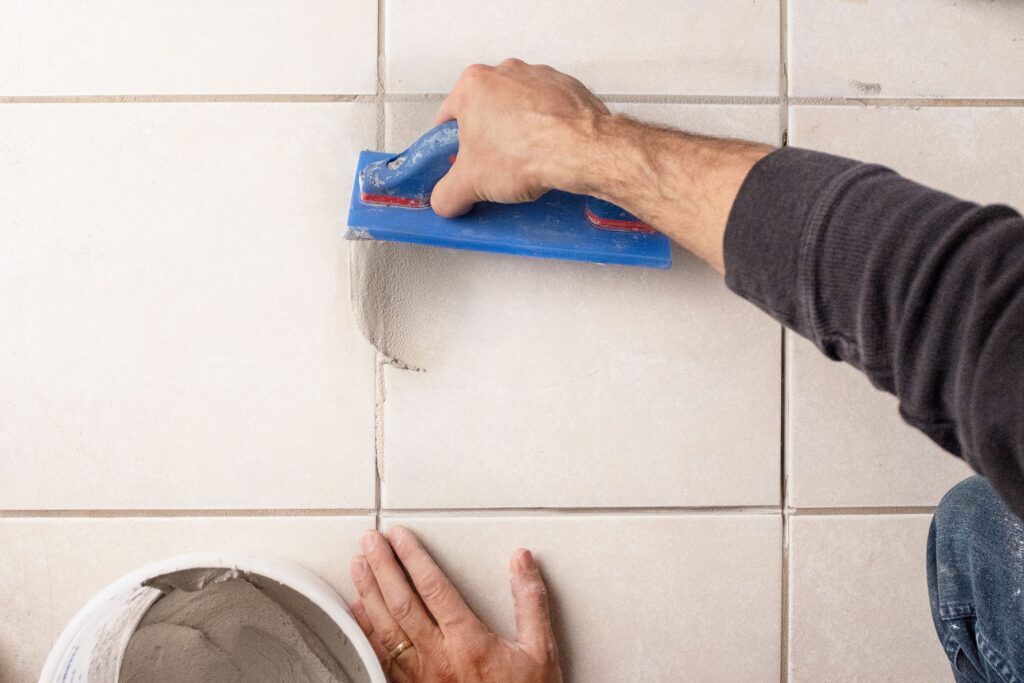
Regrouting restores the protective seal between tiles and refreshes the look. Here’s the streamlined process a pro follows:
- Inspection and testing: Identify loose tiles, hollow sounds, or damaged substrate; choose the right grout type (sanded/unsanded/epoxy).
- Grout removal: Use an oscillating tool or carbide blade to carefully remove the top layer of old grout without chipping tile.
- Cleaning and prep: Vacuum dust; wipe joints clean; disinfect if mold is present; allow proper drying time.
- Mix and apply grout: Pack grout firmly into joints at a 45-degree angle; ensure full joint fill.
- Tooling and clean-up: Shape joints, then wipe haze with a damp sponge in passes; avoid over-washing.
- Cure and seal: Allow cure time; apply a penetrating sealer if compatible to resist stains and moisture.
For caulked transitions (tub-to-tile, countertop-to-backsplash), removal and replacement are critical since caulk is your flexible, watertight joint.
Cost Comparison: DIY vs. Professional Help
Here’s a side-by-side to help you budget and decide the best path for your situation. Pricing varies with tile type, area size, and condition, but these ranges are typical in the Albany/Upstate NY market.
| Service | DIY Cost (Materials + Tools) | Typical Pro Cost | Time Investment | Risk/Notes |
|---|---|---|---|---|
| Recaulk tub/shower | $25–$60 (caulk, tool, cleaner) | $125–$250 | 2–4 hours incl. cure time | Improper prep causes early mold/peel |
| Regrout small area (< 25 sq ft) | $40–$100 | $200–$450 | Half to full day | Risk of tile chipping with handheld tools |
| Regrout full shower | $80–$180 | $500–$1,200 | Full day + cure | Missed hollow tiles = recurring issues |
| Replace 1–3 tiles | $30–$120 | $150–$400 | 2–6 hours | Matching tile/grout can be challenging |
DIY makes sense for small, straightforward jobs with solid surfaces. If you suspect hidden water damage, loose tiles, or widespread grout failure, a pro assessment is the safer—and often cheaper—route in the long run.
When to Call an albany handyman
While many homeowners can recaulk a small seam, certain scenarios call for a skilled pro who understands Upstate NY homes:
- Widespread grout failure or multiple loose tiles.
- Persistent or returning mold despite cleaning.
- Soft walls, spongy floors, or swelling trim around wet areas.
- Cracked tiles across a subfloor near an exterior door (possible movement).
- Basement or slab moisture is suspected.
- You want a color-matched, crisp finish with warranties on labor/materials.
A seasoned local pro can diagnose the root cause—movement, moisture, or installation errors—and address it so you’re not repeating the same repair every season.
What to Expect from a Quality Tile & Grout Refresh
A thorough service is more than “scrape and replace.” Expect a clear, step-by-step process and clean workmanship:
- Detailed inspection: Check tile bond, grout condition, and moisture-prone areas.
- Moisture assessment: Look for signs of hidden leaks or substrate damage.
- Targeted demo: Remove failing grout/caulk with minimal dust and no tile damage.
- Cleaning and disinfection: Treat mold/mildew and sanitize joints before replacement.
- High-quality materials: Use appropriate grout (sanded, unsanded, or epoxy) and mildew-resistant silicone caulk in wet zones.
- Precision application: Crisp caulk beads; consistent grout joints; color matching where needed.
- Protective sealing: Penetrating sealer when appropriate to extend life and resist stains.
- Care instructions: Cure times, cleaning tips, and a maintenance schedule.
Vasiliy, a seasoned craftsman serving Albany-area homes, emphasizes root-cause diagnosis—especially in showers and basements—so his repairs last through damp summers and icy winters. Expect clear communication, options tailored to your budget, and a finish that looks new and stays sealed.
Maintenance Checklist: Keep Tile, Grout, and Caulk Looking New
Use this practical checklist to minimize repairs and keep surfaces healthy year-round. Consider saving it with your other seasonal tasks.
Weekly
- After showers, squeegee walls and glass; run the fan 20 minutes.
- Wipe kitchen backsplash after heavy cooking to limit grease staining.
- Shake out entry mats; remove salt and grit.
Monthly
- Inspect caulk lines for gaps or discoloration.
- Spot-clean grout with a pH-neutral cleaner; avoid harsh acids.
- Check for hollow tiles (tap test) and soft spots in walls or floors.
Seasonally
- Fall/Winter: Deep clean entry tile; re-seal grout if high traffic.
- Winter: Keep snowmelt off floors; promptly mop puddles.
- Spring: Inspect tub/shower caulk for winter shrinkage; recaulk if needed.
- Summer: Run a dehumidifier in basements; inspect for efflorescence.
Annually
- Seal cement-based grout in wet or heavy-use areas.
- Recaulk tub/shower surround as needed (often every 12–18 months).
- Schedule a professional inspection if you’ve had past leaks or loose tiles.
For a full home approach, add these tasks to your master plan with the Albany, NY Seasonal Home Maintenance Checklist.
Tile Damage Over Time: From Cosmetic to Structural
Tile systems are stack-ups of materials—tile, thinset, grout, and substrate—that rely on each other. When grout cracks, water can soft-soak into drywall or backer board. When a tub’s caulk bead fails, water dribbles into the wall cavity. Over months, framing swells, fasteners rust, and tile loosens. Suddenly, that one cracked grout line turns into a shower-wall rebuild.
Warning signs that a cosmetic issue has become structural:
- Tiles shift or sound hollow across a wider area.
- Wall feels spongy near shower controls or niches.
- Persistent mildew smells despite scrubbing and ventilation.
- Stained drywall on the other side of a shower wall.
Act quickly. As explored in Why You Can’t Ignore Small Home Repairs, delaying moisture-related fixes escalates cost and risk.
Pro Tips for Cleaner, Longer-Lasting Results
- Choose the right grout: Sanded for wider joints; unsanded for narrow; epoxy for high-stain, high-moisture areas.
- Use 100% silicone in wet joints (tub-to-tile, corners) for better flexibility and mildew resistance.
- Prioritize prep: Remove all failed material, disinfect mold, and ensure surfaces are dry before recaulking.
- Respect cure times: Grout and caulk need proper curing before use—rushing leads to early failure.
- Seal appropriately: Penetrating sealers help cementitious grout resist stains and moisture; reapply as directed.
Realistic Timeline: How Long Do These Projects Take?
- Recaulk a tub/shower: 2–4 hours plus 12–24 hours cure time before use.
- Regrout a shower: 1 day for work; 24–72 hours cure, then optional sealing.
- Replace 1–3 tiles: 2–6 hours plus grout cure.
Scheduling tip: Bundle small fixes across rooms (e.g., regrout a backsplash and recaulk a tub) to minimize disruption and often reduce trip costs.
What Materials and Finishes Should Albany Homeowners Choose?
Our climate and lifestyle push certain material choices to the top:
- Epoxy grout in high-moisture or high-stain areas (showers, kitchen backsplashes) for superior durability and stain resistance.
- Color-matched silicone caulk in corners and change-of-plane joints for flexibility over time.
- Textured or matte tiles in entries for traction against snow and slush; be prepared for more frequent sealing of grout lines.
- Porcelain tile for durability over ceramic in high-traffic Upstate NY mudrooms.
How a Local Pro Streamlines the Experience
A well-run service minimizes the mess and maximizes longevity:
- Dust control with vacuums attached to oscillating tools during grout removal.
- Moisture checks in suspicious areas; advising if further waterproofing is needed.
- Color matching existing grout and caulk for seamless repairs.
- Clear cleanup and disposal—no leftover scraps or dust.
If you’re short on time, or if past DIY repairs didn’t hold up, scheduling with an experienced albany handyman brings reliable results and a warranty-backed finish.
FAQs: Tile, Grout, and Caulk in Albany & Upstate NY
How often should I recaulk my tub or shower?
Typically every 12–18 months, or sooner if you see gaps, peeling, or persistent discoloration. In high-use homes, plan annual inspections.
How often should grout be sealed?
If you have cement-based grout in a shower or high-traffic area, seal annually. Epoxy grout generally doesn’t require sealing.
Can I change the color of my grout without retiling?
Yes. Color-seal products can refresh or change grout color while adding stain resistance. It’s a cost-effective facelift if the grout is structurally sound.
Is bleach safe for grout and caulk?
Occasional diluted bleach can disinfect, but frequent use can degrade materials and discolor. Prefer pH-neutral cleaners for routine maintenance.
What if I only have one cracked tile?
Single-tile replacement is common. Keep spare tiles after installations. If your tile is discontinued, a pro can help source close matches or propose strategic layout fixes.
Do I need to regrout or just clean?
If stains remain after deep cleaning and the grout is cracked or missing, regrouting is the right call. If the grout is intact, a professional clean and seal may suffice.
Why does my shower keep growing mold even after regrouting?
Persistent mold may indicate ventilation issues or hidden moisture behind tile. A moisture assessment is recommended before repeating surface repairs.
Conclusion: Refresh Now, Save More Later
Regrouting, recaulking, and minor tile repairs are small projects with big payoffs—cleaner surfaces, better moisture control, and a home that looks and feels well cared for. In Albany and Upstate NY, addressing wear early helps you avoid the expensive ripple effects of water damage, especially through harsh winters and humid summers. If you want a crisp, durable finish without the hassle or guesswork, schedule your refresh with Local Handyman Repair today. You’ll get clear options, clean workmanship, and long-lasting protection for the rooms you use every day.
