
Ice Dam Prevention Masterclass: Venting, Insulation & Heat Cables for clifton park home repair services
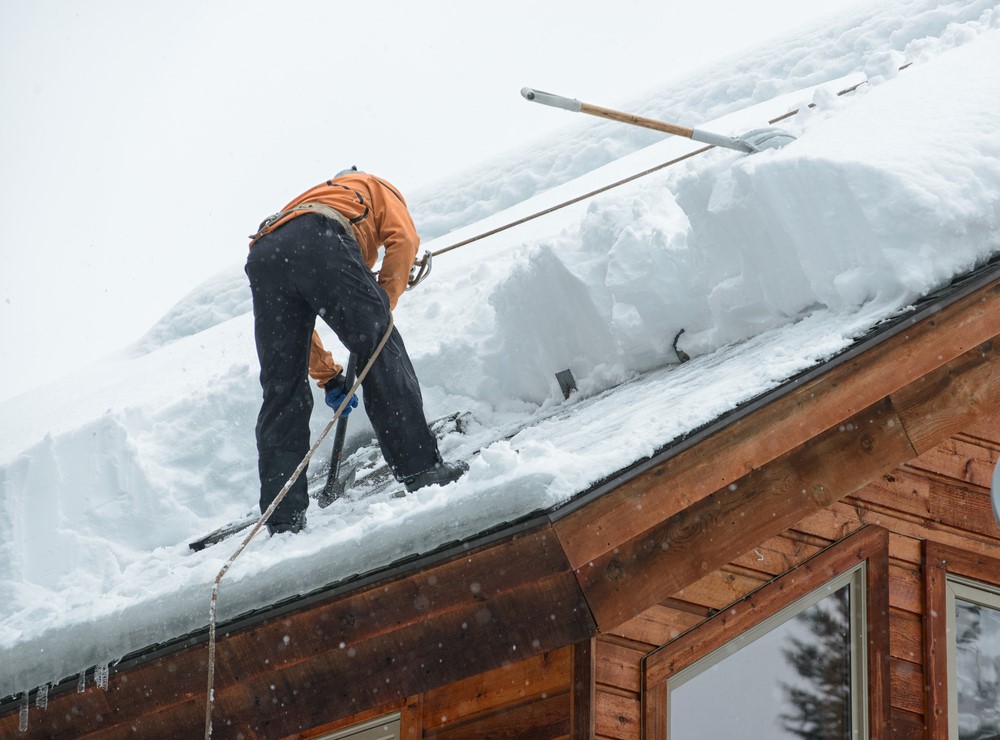
Upstate New York winters are beautiful—and brutal. When snow piles up and temperatures swing above and below freezing, ice dams can form along your roof edges, forcing meltwater under shingles and into your home. Water stains on ceilings, peeling paint, wet insulation, mold growth, and even damaged wiring are all too common, and the repair bills often arrive long after the icicles have melted.
This guide explains how to stop ice dams before they start using three smart strategies: balanced attic venting, proper insulation and air sealing, and targeted heat cable use. If you’re a homeowner in Clifton Park or the Capital Region, you’ll also discover when DIY is enough and when it’s time to bring in clifton park home repair services pros. To get a head start on winter, consider booking a no-pressure consultation with Vasiliy and the team at Local Handyman Repair, who know exactly how Upstate conditions stress your roof, attic, and gutters.
Winter maintenance is about protecting your largest investment and preserving your peace of mind. With the right plan—rooted in building science and tailored to our climate—you can keep heat inside, moisture out, and your roof intact all season long.
What Are Ice Dams and Why Are They a Problem?
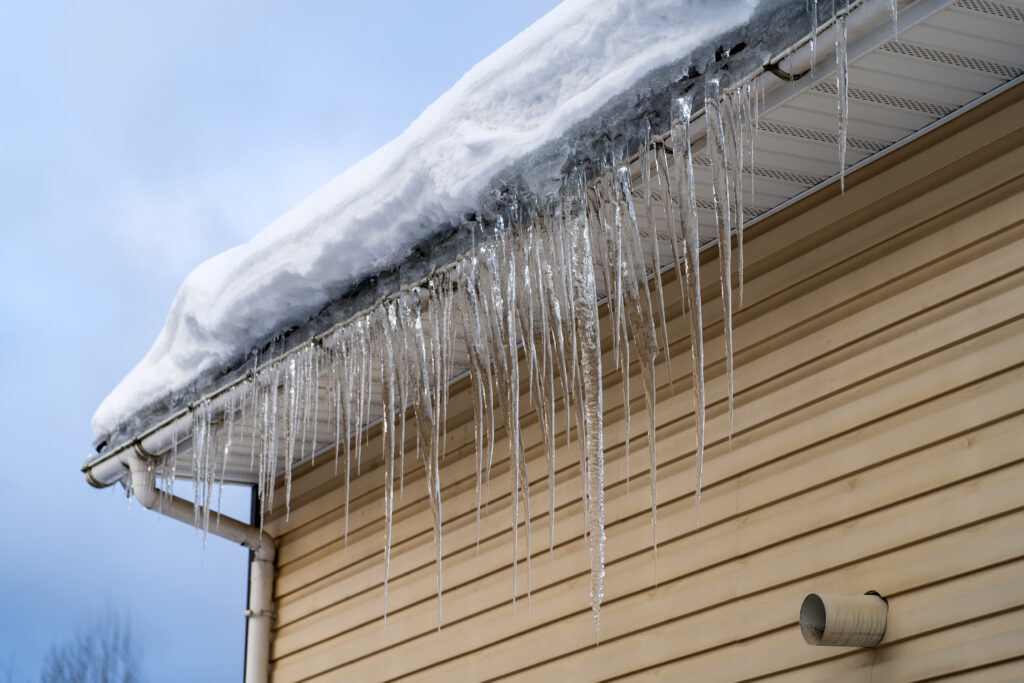
Q: What exactly is an ice dam?
An ice dam is a ridge of ice that forms along the lower edge of your roof, typically above the eaves and gutters. It often starts when heat escapes from the living space into the attic, warming the roof deck and melting snow. The water then refreezes at the colder roof overhang (where no attic heat is present), creating a growing barrier of ice. Meltwater pools behind this barrier and can back up under shingles, leak into the attic, and find its way to ceilings and walls.
Q: Why are ice dams so destructive?
- Hidden leaks: Water can travel along rafters, sheathing, and insulation before appearing as a stain, making the source hard to trace.
- Insulation damage: Wet insulation loses R-value, compounding heat loss and increasing energy bills.
- Mold and air quality: Persistent moisture can lead to mold growth in attics and wall cavities.
- Structural issues: Repeated wetting and freezing cycles can damage roof decking, fascia, and gutters.
Q: Are ice dams a roof problem or an attic problem?
Both—yet the root cause is almost always temperature and air movement imbalances beneath the roof. Roof shingles and gutters are the visible victims; the culprits are typically poor attic insulation, insufficient ventilation, and uncontrolled warm air leakage from the living space.
Visual concept: A triangle with three sides labeled (1) Heat Loss into Attic (air leaks + low R-value), (2) Cold Exterior Conditions (snow + freeze/thaw), and (3) Roof Edge Cold Zone (unheated overhang/gutters). In the center: Ice Dam Risk. Reduce any side (especially Heat Loss) to lower the central risk.
Signs You Have Ice Dam Issues

Q: What are the early warning signs?
- Thick, persistent icicles along eaves—especially over entryways or where gutters meet downspouts.
- Uneven snowmelt patterns on the roof—patchy bare areas above a warm attic.
- Water stains on ceiling edges or exterior walls during a thaw.
- Peeling paint near ceilings, damp attic insulation, or a musty attic odor.
Q: How can I confirm it’s an ice dam problem?
- Check the attic on a sunny winter day after a snowfall. Look for wet sheathing, frosty nails, or damp insulation.
- Use a moisture meter on suspect ceiling areas after a thaw.
- Observe the roof: thick ice ridges at the gutter line are classic signs.
Q: When are you most at risk in Clifton Park?
Any time there’s a combination of significant snow cover and temperatures that hover around freezing during the day and drop at night. Late January through early March is often peak season, but November and December thaws can create early surprises.
How Venting, Insulation & Heat Cables Work Together

Q: What does “balanced attic ventilation” mean?
Balanced ventilation uses a combination of intake vents (soffit vents) and exhaust vents (ridge or gable vents) to keep the attic air temperature near the outdoor temperature. This prevents uneven roof warming that melts snow. Common strategies include continuous soffit vents paired with a continuous ridge vent, ensuring roughly equal net free area for intake and exhaust.
Q: How much insulation do Upstate NY attics need?
For most homes in our climate, the Department of Energy recommends R-49 to R-60 for attics. In practical terms, that often means 14–18 inches of loose-fill cellulose or fiberglass, coupled with air sealing around penetrations (can lights, plumbing stacks, top plates, chimneys) to stop warm air from leaking into the attic. Air sealing first, then insulating, gives the best results.
Q: Where do heat cables fit in?
Self-regulating heat cables (also called heat tape) can keep critical valleys, gutters, and eaves from freezing solid. They are not a cure-all; rather, they are a targeted tool used where persistent ice forms due to design constraints—like complex rooflines or north-facing valleys. When installed correctly and paired with proper venting and insulation, heat cables reduce ice buildup in the most vulnerable areas.
| Method | Primary Goal | Where It Works Best | Cost Range (Typical) | Pros | Cons |
|---|---|---|---|---|---|
| Attic Air Sealing | Block warm air leakage into attic | Around penetrations (lights, ducts, stacks) | $300–$1,200 DIY/Pro | High ROI, improves comfort, foundational fix | Hidden work; requires careful inspection |
| Insulation Upgrades (R-49 to R-60) | Slow heat loss through ceiling | Whole attic floor | $1,500–$4,500 | Energy savings, year-round comfort | Must precede with air sealing; clearance needed near eaves |
| Balanced Ventilation (Soffit + Ridge) | Keep attic close to outdoor temps | Continuous soffit and ridge vents | $800–$2,500 | Reduces melt/refreeze cycles | Needs unobstructed baffles; roof work may be required |
| Heat Cables (Self-Regulating) | Keep eaves/gutters thawed | Problem areas: eaves, valleys, downspouts | $400–$1,500 | Targeted solution for tricky rooflines | Not a substitute for insulation/venting; uses electricity |
| Snow Raking (Maintenance) | Reduce snow load and meltwater | After storms, safely from ground | $60–$150 for rake | Immediate relief; low cost | Labor-intensive; temporary measure |
Q: What’s the ideal order of operations?
- Audit and air seal attic penetrations (the hidden heat highways).
- Add/upgrade insulation to recommended R-values.
- Confirm continuous soffit intake and ridge exhaust ventilation; add baffles at eaves to maintain airflow.
- Install heat cables only where persistent ice still forms, or where the roof design makes perfect balance difficult.
When to Call the Experts in clifton park home repair services
Q: What situations call for a professional assessment?
- Recurring ceiling stains each winter, even after basic snow raking.
- Complex roofs with dormers, valleys, and multiple elevations.
- Historic homes with limited soffit space or mixed insulation types.
- Persistent moldy attic odors or visible condensation/frost on rafters.
- After heavy storms when ice dams form quickly and repeatedly.
In many houses, a short attic inspection reveals a few high-impact fixes—sealing can lights, boxing and sealing around bath fans, installing missing baffles, or correcting blocked soffit vents. If you’ve noticed small problems creeping up, this is a good time to act. See why tackling small issues early matters in this guide to small home repairs.
Q: What will a pro do that DIY might miss?
- Thermal camera scouting to find hidden heat leaks and insulation gaps.
- Measuring net free vent area to balance intake/exhaust.
- Ensuring safe clearances around chimneys and recessed lights.
- Detailing eave baffles to prevent wind-washing of insulation.
- Designing and safely installing heat cables on GFCI circuits in the correct zig-zag pattern with downspout runs.
Seasonal Checklist: Ice Dam Prevention Steps
Fall (Before First Snow)
- Attic air sealing: Seal top plates, can lights, and plumbing/electrical penetrations with foam/caulk.
- Insulation: Top up to at least R-49; maintain 3-inch clearance around recessed fixtures unless IC-rated.
- Ventilation: Clear soffit vents; install baffles; verify ridge vent is continuous and unobstructed.
- Gutter care: Clean gutters and downspouts; make sure extensions move water away from the foundation.
- Heat cables: Test any existing cables; replace damaged sections; confirm GFCI functionality.
Not sure where to start? Explore winterizing priorities in this helpful Albany winter prep and brick repair overview, or connect with trusted clifton park home repair services for a pre-winter inspection.
During Winter
- Snow depth check: After big storms, keep roof snow depth under ~6–8 inches using a roof rake from the ground.
- Safety first: Never climb a snowy or icy roof; avoid metal rakes around service drops.
- Observe patterns: Note where icicles form first; that’s often where air leaks and insulation gaps exist.
- Use heat cables: Switch them on before a thaw to keep channels open.
After Thaws or Storm Cycles
- Inspect ceilings and exterior walls for new stains.
- Check attic for damp insulation or frost on nails and rafters.
- Document trouble spots for a spring improvement plan.
Cost Breakdowns: DIY vs Professional Fixes
Budgeting is easier when you know what to expect. Actual costs vary by home size, accessibility, and material choices, but these ranges reflect typical Upstate NY projects.
| Project | DIY Cost | Pro Cost | Skill Level | Risks/Notes | Typical ROI |
|---|---|---|---|---|---|
| Attic Air Sealing (foam/caulk) | $100–$300 | $300–$1,200 | Moderate | Finding all leaks is tricky; safety gear needed | High (energy + ice dam reduction) |
| Insulation Upgrade to R-49+ | $600–$1,800 (blown-in rental) | $1,500–$4,500 | Moderate | Requires prep; protect bath fans/chimneys; add baffles | High (comfort + energy savings) |
| Soffit and Ridge Vent Improvements | $150–$500 | $800–$2,500 | Moderate | Roof work may be needed; ensure balanced airflow | High (prevents melt/refreeze) |
| Heat Cable (self-regulating) | $200–$700 | $400–$1,500 | Basic–Moderate | Must be GFCI-protected; plan layout; avoid crossing cables | Medium (targeted relief) |
| Roof Rake Purchase | $60–$150 | — | Basic | Temporary relief; avoid shingle damage | Low–Medium |
| Emergency Ice Dam Steaming | — | $400–$1,200 (per visit) | Pro Only | Damage control; not a fix for root causes | Immediate damage prevention |
Real Homes, Real Problems: Case Studies from Upstate NY
Case Study #1: Clifton Park Colonial with Persistent Icicles
Problem: Large icicles formed over the front entry after every snow. Ceiling stains appeared in the foyer each March.
Findings: Attic had R-30 fiberglass batts with numerous gaps. Soffit vents were present but blocked by insulation; no baffles. Several can lights were non-IC rated and unsealed.
Solution: Air sealed top plates and penetrations, installed fire-rated covers over can lights, added baffles, topped insulation to R-60 cellulose, and verified continuous ridge vent. Heat cables were added only to a north-facing valley.
Result: No icicles over the entry the following winter; attic stayed dry; energy bills dropped by ~12%.
Case Study #2: Saratoga County Ranch with Recurrent Gutter Ice
Problem: Gutters filled with ice after midwinter thaws, pushing water behind fascia.
Findings: Limited soffit intake due to narrow eaves, making perfect balance hard to achieve.
Solution: Maximized available soffit venting with low-profile vents, improved attic air sealing, and installed self-regulating heat cables along eaves and into downspouts.
Result: Clear meltwater pathways during thaws; no further fascia damage; spring inspection showed dry sheathing.
Case Study #3: Albany Townhouse with Shared Roofline
Problem: Leaks developed on a party-wall ceiling during repeated freeze-thaw cycles.
Findings: Insulation settling left thin spots; bath fan duct leaked warm air into the attic; ridge vent adequate but soffit intake compromised.
Solution: Dense-pack cellulose to address settling, sealed and properly vented bath fan through the roof, installed rigid baffles to protect soffit intake, and added a short run of heat cable at a stubborn valley.
Result: No leaks the next winter; improved indoor comfort; reduced humidity and condensation on windows.
FAQs About Ice Dams & Winter Damage
Q: Will new shingles alone stop ice dams?
No. Shingles and underlayment resist water but don’t address the thermal imbalance that causes ice dams. Focus on air sealing, insulation, and ventilation.
Q: What R-value should I aim for in my attic?
R-49 to R-60 is a solid target for Upstate NY. The exact level depends on your home’s construction and energy goals, but rarely should an attic sit below R-38 here.
Q: Are heat cables safe and efficient?
Self-regulating heat cables are designed to increase output as temperatures drop and reduce output as they rise. When installed with GFCI protection and run only during risk periods, they’re an efficient, targeted solution—not a band-aid for missing insulation.
Q: Can I prevent ice dams without accessing my attic?
You can reduce risk with roof raking and heat cables, but long-term prevention usually requires addressing attic air leaks, insulation, and ventilation. If attic access is limited, a pro can often find creative solutions or alternate access points.
Q: What if I see a leak during a thaw?
Protect the area with plastic sheeting, collect water, and call a professional. Emergency steaming can remove ice dams safely—avoid chisels or salt on shingles, which can cause more damage. After the emergency is over, schedule a root-cause fix with trusted clifton park home repair services.
Q: Why do some homes on my street have ice dams and others don’t?
Small differences—attic air leaks, insulation levels, venting details, roof color/orientation, and even landscaping that shades roof areas—make a big impact. Homes with balanced venting and airtight ceilings usually fare best.
Q: Should I install a ridge vent if I don’t have one?
Often yes, but only if you have adequate soffit intake and can keep airflow unobstructed with baffles. Otherwise, a ridge vent can underperform. A ventilation assessment helps avoid missteps.
Q: Is it worth paying for an energy audit?
For many homes, yes. Audits can pinpoint the biggest air leaks, estimate energy savings from upgrades, and prioritize projects that also prevent ice dams.
Q: Can I over-ventilate my attic?
Too much exhaust without matching intake can pull conditioned air from the home or draw in snow and rain under certain conditions. Balance is key: intake and exhaust should be roughly equal.
Q: How quickly can improvements pay back?
Air sealing and insulation often pay back in 2–5 heating seasons through reduced energy costs—faster if you’ve had water damage in the past. Venting improvements and selective heat cables add protection and confidence during severe winters.
Putting It All Together: A Practical Action Plan
- Schedule a quick attic walkthrough to identify air leaks, missing baffles, and insulation gaps.
- Air seal everything you can touch safely—then add insulation to reach R-49 to R-60.
- Verify continuous soffit intake and ridge exhaust; keep airflow paths open with baffles.
- Use roof rakes after big storms to limit snow load; switch on heat cables only when needed.
- Reassess after the first significant thaw; adjust strategies based on what you see.
If you want a deeper dive into prioritizing small fixes that prevent big problems later, don’t miss this related post: Why You Can’t Ignore Small Home Repairs. And for broader winterizing context beyond the roofline, visit the Albany winter prep and brick repair guide.
Conclusion: Prepare Now, Avoid Leaks Later
Ice dams aren’t inevitable. With airtight ceilings, adequate insulation, balanced ventilation, and smart use of heat cables, you can dramatically lower your risk—protecting your roof, your indoor air quality, and your budget. The best time to act is before heavy snow arrives, but it’s never too late to start.
Ready for a practical plan tailored to your home? Book a winter-readiness visit with Vasiliy at Local Handyman Repair to assess your attic, dial in the right mix of improvements, and get your home set for a safe, leak-free season.
