
Why You Shouldn’t Ignore Minor Home Repairs: A Handyman Albany NY Guide
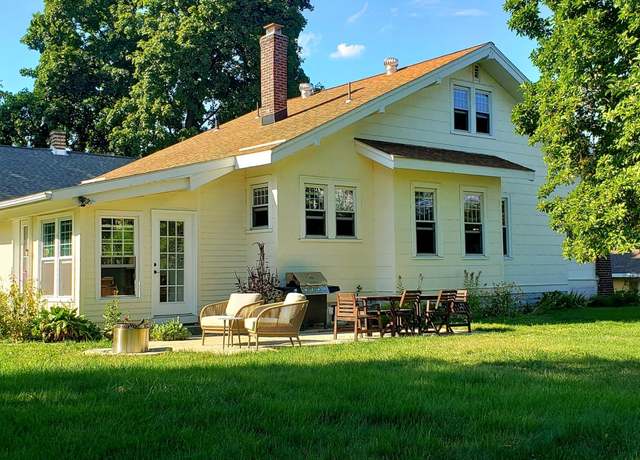
Small home issues rarely stay small—especially in Albany and across Upstate NY, where four intense seasons put homes through constant stress. What starts as a tiny drip, a hairline crack, or a sticky door can quickly become a major repair that costs far more than a simple fix would have. If you’ve been putting off that list of little to-dos, this guide explains why acting now protects your wallet, your safety, and your home’s long-term value.
Local homeowners often ask when a problem is worth a call. The truth: when you notice it. A swift solution usually costs less, takes less time, and prevents bigger headaches down the road. If you prefer educated, trustworthy guidance and quality workmanship in the Capital Region, you can turn to Vasiliy of Local Handyman Repair—a respected local pro who understands how the Albany climate impacts your home.
Not sure where to start or what’s urgent? This practical guide breaks down why minor repairs matter, the risks of waiting, seasonal priorities for Albany homes, and a routine checklist you can use to keep everything in top shape. When you want reliable help from a local expert, a handyman albany ny visit is often the smartest, most budget-friendly move you can make.
Why Minor Home Repairs Matter
Safety First: Small Issues Can Create Big Hazards
Minor issues are often the early warning signs of safety hazards. A loose handrail might seem like an aesthetic oversight until someone slips and reaches for it. A frayed outlet or buzzing switch may be the early stage of an electrical failure. Even a sticky window can be a safety concern if you ever need it as an emergency exit.
In older Albany homes, minor electrical and structural issues are common. The earlier you address them, the less likely they are to result in an accident—or require a costly, disruptive repair. Quick professional evaluation and correction can make your home safer for family, guests, and pets, while giving you peace of mind.
Save Money by Fixing Problems Early
Delays are expensive. Water finds the smallest openings, cold air sneaks through the thinnest gaps, and pests exploit the tiniest cracks. A slow drip under a sink can lead to cabinet rot and mold remediation. A small roof flashing issue can escalate into an interior ceiling repair. A cracked exterior caulk joint can lead to stained drywall and damaged insulation. In every case, the math is simple: small repair now, or bigger repair later. Acting early almost always costs less.
Plus, you avoid the indirect costs of not fixing problems—higher utility bills from drafts, frequent furnace cycling, shorter lifespan for building materials subjected to unnecessary moisture, and the time you’ll lose managing an emergency repair instead of a planned maintenance visit.
Protect and Grow Your Home’s Value
Home value is built on care and consistency. Appraisers and buyers can spot a well-maintained property at a glance—crisp caulk lines, sturdy railings, tight weather seals, clean and dry basements, and fully functional hardware communicate pride of ownership. The flip side is also true: deferred maintenance sends up red flags and invites deeper inspection. Little fixes preserve curb appeal, help your home show beautifully, and reduce renegotiations after a buyer’s inspection.
Common Misconceptions About Small Fixes
“It’s just a small fix.”
Small doesn’t mean insignificant. That sticky door, cracked tile, or tiny chimney mortar gap is information. It tells you where your home is moving, settling, or letting in moisture. Treat small symptoms as early cues, not annoyances. A short professional visit can reveal the underlying cause and stop damage before it spreads.
“Repairs can wait until I have time.”
They rarely stay the same while you wait—especially through an Upstate NY winter or spring thaw. Freeze–thaw cycles push water deeper into cracks, expand gaps, and loosen fasteners. Wind-driven rain makes tiny openings act like funnels. Waiting often means more labor and more materials later. Scheduling a quick solution keeps your home on your timeline, not the weather’s.
“DIY is cheaper.”
DIY can be great for certain tasks, but it’s not cheaper if you need to redo the work or if a misstep causes more damage. A seasoned local pro can finish multiple small tasks in one visit, bring the right tools and materials, and ensure repairs are done right the first time. That often makes a professional service call the more economical choice overall.
The Hidden Dangers of Ignoring Issues
Water Leaks and Mold Risk
Water is relentless. A pinhole supply leak, a slow-draining tub, or a sweating toilet line can moisten wood, wick into drywall, and eventually feed mold. Over time, that moisture breaks down adhesives, warps flooring, and compromises indoor air quality. A professional will track water to its source—replacing bad shutoffs, resealing fixtures, tightening connections, and setting up moisture barriers where needed. The fix is simple when addressed early; costly when ignored.
Energy Efficiency Problems: Drafts and Failed Seals
Albany winters make heat loss a year-round budget issue. Drafty doors, failed window seals, and gaps in attic hatches force heating systems to work harder. Weatherstripping, fresh caulk, foam insulation around penetrations, and tune-ups to doors and windows are straightforward improvements that repay you on every cold night (and every humid summer day when you’re running AC). They also improve comfort—no more cold spots or hot rooms.
Safety Hazards: Faulty Wiring, Wobbly Railings, Trip Risks
Loose outlets, buzzing switches, flickering lights, and warm faceplates are warning signs you should never ignore. Out-of-code or aging electrical components can lead to arcing and fire hazards. Similarly, a wobbly stair tread or loose railing is an accident waiting to happen. A quick repair—securing fasteners, replacing hardware, swapping faulty devices, or installing GFCIs where needed—keeps your family safe.
Pest Entry Points
Small openings invite big problems. Mice, squirrels, and carpenter ants can enter through gaps as small as a dime. Once inside, they chew wiring, contaminate insulation, and damage finishes. Sealing penetrations, repairing screens, securing soffits and fascia, and replacing rotten trim disrupts pests before they settle in. It’s far easier and cheaper to block early than to evict later.
Proactive & Budget-Friendly Repair Solutions
Good maintenance is strategic, not expensive. Here’s how homeowners in Albany and Upstate NY can get ahead of small repairs without overspending:
- Bundle small tasks into one visit. Make a list of outlets to replace, doors to adjust, caulk to refresh, and hardware to tighten. One efficient appointment can check off a lot at once.
- Prioritize by risk: water, safety, and exterior envelope first. That means leaks, anything electrical, and anything that lets water or air get in.
- Schedule seasonally. Plan exterior sealing and masonry touch-ups before winter; handle attic and insulation checks before deep cold; tackle deck and exterior paint early in dry, warm months.
- Use durable materials. High-quality caulk, stainless fasteners, and weather-rated hardware last longer and reduce rework.
- Document what’s done. Keep a simple maintenance log. It helps you track warranties and reassures future buyers.
Not sure which repairs to tackle first? Start with this helpful resource: Top 10 Home Repairs in Albany NY. It highlights high-impact fixes that prevent bigger issues later.
If you want a quick, reliable check of the most common problem areas, scheduling a short visit from a trusted local pro—the kind of expert service you’d expect from a handyman albany ny—can be one of the most cost-effective decisions you make this year.
Seasonal Priorities for Albany Homes
Our climate is unique. We deal with freeze–thaw cycles, lake-effect snow, wind-driven rain, humid summers, and leaf-clogged gutters every fall. Each season creates different pressures on your home. Focus your repairs where they’ll make the biggest seasonal difference:
Before Winter
- Seal windows and doors; replace worn weatherstripping and repair thresholds.
- Touch up exterior caulk on siding transitions, trim, and penetrations.
- Check roof flashing, shingles, and gutters; correct any drainage issues that can become ice dams.
- Inspect masonry and steps for cracks or spalling that could worsen during freeze–thaw.
- Insulate and air-seal attic hatches, rim joists, and penetrations to cut heat loss.
For masonry in particular, cold weather magnifies problems. Learn what to look for and how to prep your exterior for cold snaps in this seasonal read: Albany Winter Prep: Handyman Brick Repair.
Spring and Early Summer
- Check for winter damage: loose siding, popped nails, cracked caulk, and minor roof issues.
- Repair exterior steps and handrails; fix shifting pavers and uneven walkways.
- Repaint or seal wood where finish is failing to prevent rot.
- Service screens, replace torn mesh, and seal pest entry points.
- Flush and extend downspouts to carry water away from the foundation.
Late Summer and Fall
- Clean gutters and confirm proper pitch; install guards if needed.
- Reseal driveways and walkways to limit winter freeze damage.
- Check basement for moisture, test sump pumps, and seal minor foundation cracks.
- Inspect outdoor lighting and outlets; ready exterior spaces for shorter days.
- Schedule an exterior once-over to catch and fix tiny issues before they meet winter weather.
When to Call a handyman albany ny
Call when something changes—when you see new cracks, hear new noises, feel a draft that wasn’t there last year, or notice a fixture behaving inconsistently. You should also call when you plan to do several small tasks at once; bundling them is efficient and budget-friendly.
Many homeowners hesitate, assuming a professional visit will be costly. In reality, small repairs handled early are often quick, straightforward, and far less expensive than the same issues left to grow. Professional help pays off by:
- Diagnosing root causes so problems don’t recur.
- Completing multiple small tasks in one visit.
- Using proper materials for Albany’s climate (weather-rated caulk, corrosion-resistant fasteners, and appropriate sealants).
- Preventing secondary damage—like stopping leaks before they compromise drywall, flooring, or insulation.
If you’re unsure whether an issue is “small enough” for a handyman, remember: the earlier the intervention, the more likely it is to be a simple, budget-friendly fix.
Routine Repairs Checklist for Albany Homeowners
Use this quick checklist to spot and prioritize small repairs before they grow. Walk your home inside and out once each season and mark items that need attention.
Exterior
- Roof: Check shingles, flashing, and vents for damage or gaps.
- Gutters/Downspouts: Clean, check for leaks and proper flow away from the foundation.
- Siding/Trim: Look for cracks, peeling paint, soft spots, and missing caulk.
- Windows/Doors: Inspect caulk and weatherstripping; ensure smooth operation and tight seals.
- Masonry: Watch for cracking, spalling, or loose mortar joints; address promptly before freeze–thaw.
- Deck/Porch: Secure railings, replace rotted boards, and reseal as needed; tighten hardware.
- Foundation: Seal minor cracks and ensure grading slopes away from the home.
- Pest Barriers: Repair soffits, fascia, screens, and vents; seal gaps wider than a pencil.
Interior
- Plumbing: Check beneath sinks, around toilets, and near water heaters for moisture.
- Electrical: Replace damaged outlets and switches; add GFCIs where required.
- Doors/Windows: Adjust latches and hinges; lubricate; replace cracked panes or failed seals.
- Caulking/Grout: Refresh around tubs, showers, backsplashes, and sinks.
- Walls/Ceilings: Repair nail pops, settling cracks, and water stains (after fixing the source).
- Floors: Secure squeaky boards, repair transitions, and replace damaged tiles or planks.
- Attic/Basement: Look for insulation gaps, condensation, or mildew; improve ventilation where needed.
- Safety: Tighten handrails, add anti-slip treads, test smoke/CO detectors, and install child/pet safety hardware if applicable.
How Routine Fixes Boost Your Home’s Resale Value
Every small repair you complete has a compounding effect on buyer confidence and appraisal outcomes. Here’s how routine fixes translate into measurable value:
- Better Inspections: Tidy infrastructure—sound railings, tight seals, no active leaks—reduces the number of inspection “hits,” preserving your negotiation power.
- Perceived Quality: Freshly caulked joints, smooth doors, and functional fixtures communicate meticulous care. Buyers equate visible maintenance with hidden reliability.
- Energy Efficiency: Sealed envelopes and efficient fixtures appeal to cost-conscious buyers. Lower expected utility bills can tip a buyer’s decision your way.
- Faster Time-to-Close: Fewer repair requests means fewer delays and a smoother transaction.
Even if you’re not selling this year, routine care keeps your options open. Should you decide to list, your home will be market-ready—free of the minor issues that can spook buyers or invite low offers.
Real-World Examples: How Small Repairs Prevent Big Bills
The Leaky Faucet That “Could Wait”
A slow drip under a kitchen sink seemed harmless. Over a few months, it warped the cabinet base and fostered mold behind the toe-kick. A simple supply line replacement and re-seal would have solved it early. Waiting added carpentry and mold remediation—tripling the cost and disruption.
Hairline Mortar Cracks Before Winter
A few thin cracks in a front stoop went unchecked through fall. After freeze–thaw cycles, those cracks widened, and a couple of treads started to spall. A quick tuckpoint and seal in September would have prevented the spring rebuild.
Drafty Back Door
A minor gap at the threshold let in cold air, moisture, and pests. Heating bills crept up, and the interior trim began to show water staining. New weatherstripping, a threshold adjustment, and a fresh bead of exterior-grade caulk closed the gap—improving comfort and cutting energy waste immediately.
What to Expect From a Professional Minor Repair Visit
A productive service visit starts with a quick walkthrough to prioritize items, focusing on water, safety, and the building envelope. A pro will typically:
- Verify the source of each issue (e.g., where moisture is entering or which hardware is failing).
- Fix quick wins on the spot—tightening, adjusting, sealing, replacing small parts.
- Recommend durable materials for Albany’s climate and your home’s age.
- Bundle tasks for efficiency, maximizing the value of each visit.
- Offer a maintenance plan, so you stay ahead of seasonal stressors.
By addressing the little things with professional attention, you stop the cycle of deferment that leads to emergencies.
Albany-Area Red Flags You Should Never Ignore
- Stains on ceilings or near exterior walls
- Musty odors in basements after rain
- Drafts around windows, doors, or attic hatches
- Cracks in steps, stoops, or walkways (especially before winter)
- Bubbling paint on exterior trim or bathroom walls
- Flickering lights, warm outlets, or buzzing switches
- Loose exterior trim or siding that moves in the wind
- Gutters that overflow even when recently cleaned
These are early indicators of larger problems. Catching them now keeps projects small and affordable.
Conclusion: Act Early, Save Money, and Protect Your Home
Minor home repairs are your best opportunity to stay ahead of big expenses. In Albany and across Upstate NY, weather and time are tough on homes, but they’re predictable—so is the payoff from simple, early fixes. If you notice a drip, a draft, a wobble, or a crack, take it seriously and act now.
When you want trusted local help from someone who knows the climate, materials, and common issues in our region, reach out to Vasiliy of Local Handyman Repair. Whether you need one quick fix or a bundled list of small tasks, getting professional attention now keeps your project simple, your home safe, and your long-term costs under control.
Want more seasonal advice and practical checklists? Revisit this post and bookmark the resources above, including Top 10 Home Repairs in Albany NY and Albany Winter Prep: Handyman Brick Repair. Your future self—and your budget—will thank you.
