
Brick, Steps, and Small Pointing Jobs Done Right
Summary
- Why small masonry repairs matter for Albany and Upstate NY homes
- How pros fix brick cracks, front steps, and mortar joints
- Costs, timelines, and weather planning for minor masonry jobs
- How to choose a qualified pro using a simple checklist
- FAQs on pointing, step repair, and winter-safe fixes
Brick, Steps, and Small Pointing Jobs Done Right
Small masonry repairs protect curb appeal and structure. Brick, front steps, and mortar joints take abuse from salt, snow, and freeze-thaw swings across Albany and Upstate NY. Neglect grows small gaps into loose bricks and wobbly treads. A skilled masonry handyman handles these jobs fast, clean, and with the right materials for local weather. If you want a trusted local option, Local Handyman Repair offers prompt, professional service for homes across the Capital Region.
Homeowners who explore clifton park handyman services often want masonry fixes that hold up through harsh winters and long freeze–thaw cycles. Local technicians understand how Saratoga County soils shift, how salt affects mortar, and which repair methods prevent cracking from returning. Their experience helps you restore steps, walkways, and brickwork with durable results that protect both safety and curb appeal.
masonry handyman near me for small brick and step jobs
Search results feel overwhelming. A short list helps. Look for local masonry experience, mortar color matching, clean tuckpointing lines, strong step resets, and reliable scheduling. The right pro saves money by fixing small problems before water enters the wall or step base.
Why small masonry fixes matter in Albany and Upstate NY
- Freeze-thaw cycles widen hairline cracks in brick and mortar
- De-icing salt weakens joints and edges on steps
- Hard winters push out step risers and loosen rail anchors
- Spring rains move into gaps and wash out sand or base
- Summer heat bakes dry joints which leads to more cracking
Each season adds stress. Quick repairs stop water paths and protect the bond between brick and mortar. Correct pointing shields edges from spalling. Solid steps reduce liability and improve access to the entry.
Common small masonry repairs for brick and steps
Hairline brick cracks
Small cracks show up near window heads, door lintels, or corners. A pro widens the crack to a V shape, cleans dust, and fills with repair mortar or a flexible masonry sealant where movement exists. Loose or spalled brick needs removal and replacement. Edge bricks on steps see the most damage from boots and salt. Strong bond and neat joint work restore both strength and look.
Mortar pointing
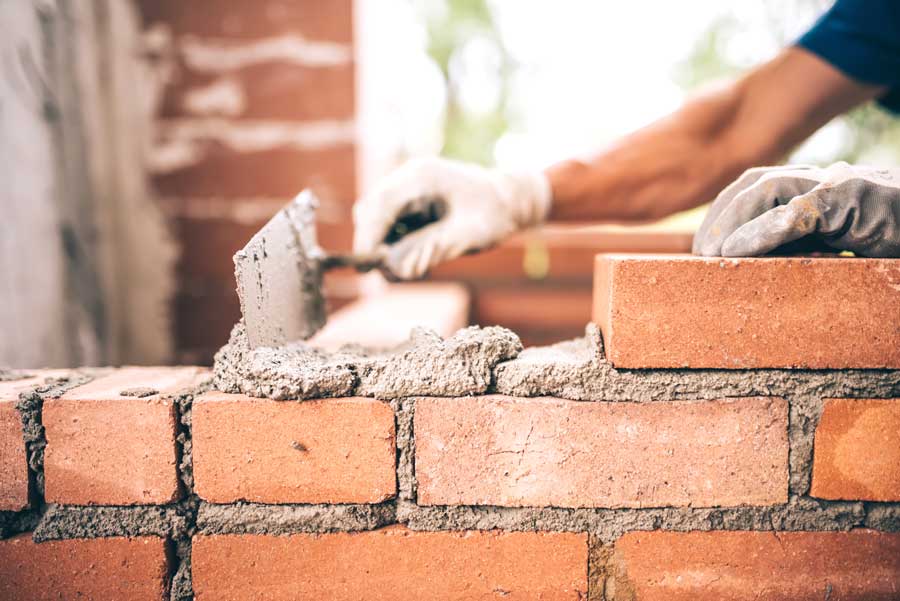
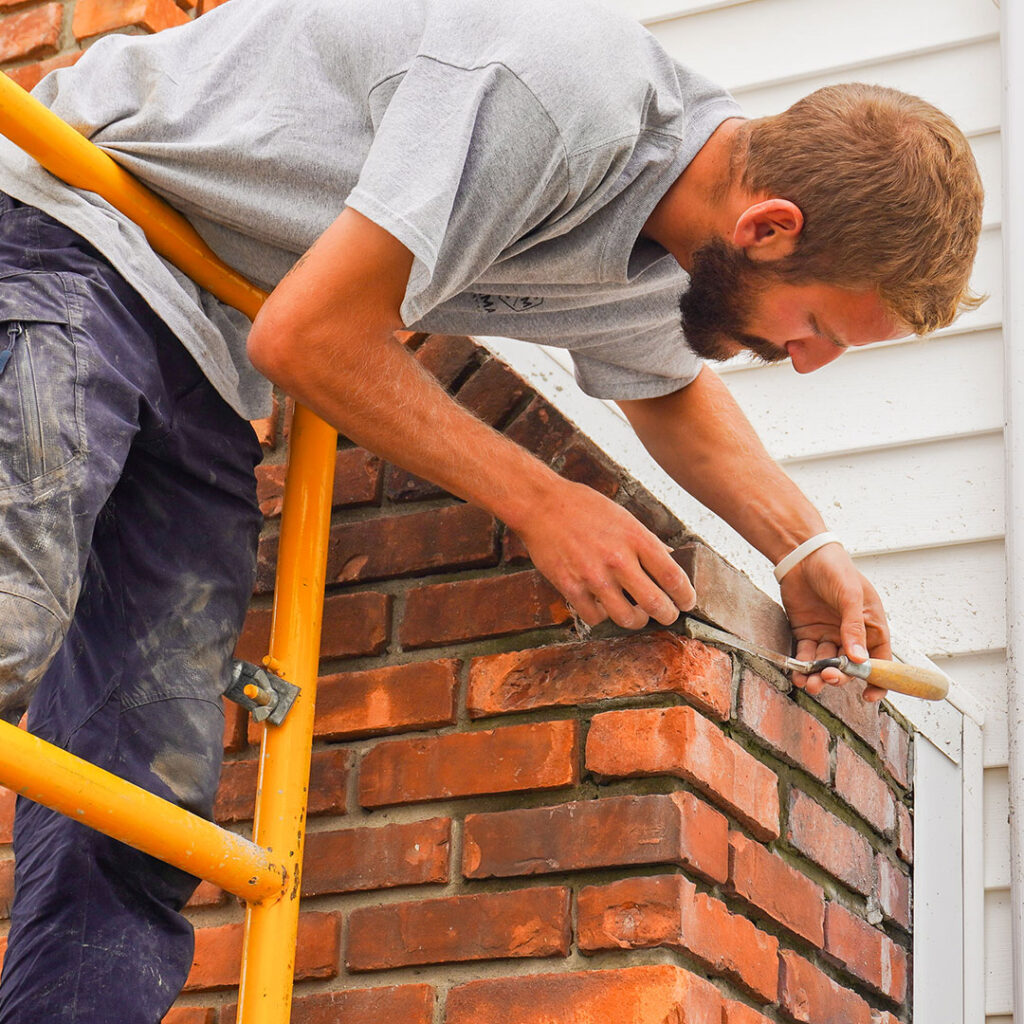
Joints keep water out and spread load across the wall or steps. Old mortar erodes faster than brick. Repointing involves grinding a shallow channel, rinsing dust, packing fresh mortar in lifts, then tooling to match texture and joint profile. Color and sand blend matter for curb appeal. The goal is a watertight joint with a look that matches original work.
Front step repair and resetting
Frost heave lifts treads out of level. Gaps open at risers. Water pools and enters the base. A masonry handyman lifts a loose tread, cleans the bed, levels with fresh mortar or exterior adhesive, then resets. For wobbly steps, the pro checks base support and sidewalls. Adhesive and pins secure stone or concrete treads. Brick steps with broken corners get small patch work or brick replacement, followed by tight pointing.
Loose railings on brick steps
Rails protect family and guests. Once anchors loosen, the post moves, water enters, and the hole grows. A pro cleans the hole, inserts a sleeve, and bonds with structural epoxy. Larger holes get brick replacement or a new core, then drilling at the right depth. The goal is a solid post without wobble.
Chimney shoulder and stoop edges
Small gaps at chimney shoulders feed leaks. Tight pointing seals those edges. Stoop edges chip from shovels and salt. Minor patching with polymer-modified mortar restores edges. A pro finishes with a light broom or tool to match texture.
What a qualified masonry handyman does during a small-job visit

- Walkthrough and photo notes on cracks, loose joints, and step movement
- Moisture check at suspect joints and step bases
- Material match for mortar color, sand type, and tooling profile
- Protection for walkways, railings, and landscaping
- Dust control during grinding with a vacuum shroud
- Joint prep, packing, tooling, and cleanup
- Final rinse and homeowner review with photos
Quick visual guide to symptoms and fixes
| Symptom | Risk level | Fast fix | Durable solution | Typical time |
|---|---|---|---|---|
| Hairline brick crack near window | Medium | V-groove and sealant | Stitch repair or brick replacement | 1 to 3 hours |
| Powdery mortar on steps | High | Spot tuckpointing | Repoint whole step face | 2 to 6 hours |
| Loose tread on front steps | High | Clean bed and reset | Reset with pins and adhesive | 2 to 4 hours |
| Wobbly rail post | High | Epoxy anchor | Rebuild with sleeve and new brick | 1 to 3 hours |
| Gaps at chimney shoulder | Medium | Pointing of joint | Selective rebuild | 1 to 2 hours |
Albany and Upstate NY weather pressure on masonry
Brick and mortar shift with temperature swings. The table below shows a simple mockup of relative freeze-thaw stress by season across the region.
[Freeze-Thaw Stress Index by Season]
Winter   | ██████████ 10
Spring   | ███████    7
Fall     | █████      5
Summer   | ██         2
Winter brings frequent cycles. Spring adds wet conditions which feed movement. Fall adds some swing. Summer keeps stress low, but UV and heat still dry out joints.
DIY vs hiring a pro
| Aspect | DIY | Pro masonry handyman |
|---|---|---|
| Diagnosis | Surface level | Identifies root cause and water paths |
| Tools | Basic grinder and tube mortar | Vacuum shrouds, diamond wheels, jointers, color kits |
| Finish | Uneven color and profile | Color match and clean joint lines |
| Speed | Slow progress | One-visit results for small jobs |
| Longevity | Short-term in many cases | Durable repair fit for local weather |
DIY helps in limited spots. Larger cracks, step resets, and rail anchors benefit from a pro. Tight prep and finish keep water out. Neat joints also raise curb appeal.
Costs and timelines for small masonry jobs in the Capital Region
Pricing reflects access, height, prep time, and finish level. The ranges below reflect typical small-job targets for brick, steps, and pointing. Larger projects sit outside these ranges.
| Small job type | Typical scope | Time | Range |
|---|---|---|---|
| Spot tuckpointing | 6 to 20 joints | 2 to 4 hours | $250 to $650 |
| Brick replacement | 1 to 4 units | 2 to 5 hours | $300 to $800 |
| Step tread reset | 1 to 3 treads | 2 to 6 hours | $350 to $900 |
| Rail anchor repair | 1 to 2 posts | 1 to 3 hours | $200 to $500 |
| Mortar color match | Mix and test batch | 1 to 2 hours | $100 to $250 add-on |
Every home differs. Access, step size, brick type, and number of locations drive time and materials. A site visit gives a firm price and schedule.
How pros match mortar color and texture
Color match matters on front steps and facades. A pro studies sand grain, hue, and joint profile. Then the pro tests a small batch, lets it dry, and compares in daylight. Tooling choice sets the final look. Common profiles include concave, V, raked, and flush. The match blends new work into old so the repair hides in plain sight.
Checklist to hire smart and protect your home
- Request photos of three recent brick or step repairs
- Ask about dust control, joint depth, and tooling profile
- Confirm mortar type for your brick and weather exposure
- Review plan for color match and sample area
- Get start date, duration, and cure time in writing
- Make sure walkways and plants get protection
- Ask for a quick clean-up plan and final rinse
- Confirm winter-safe products for cold weather work
- Discuss rail anchor options with sleeves and epoxy
- Schedule a follow-up photo check after first storm
Use this list before you book a visit. A short call with these points saves time and money.
Step-by-step process for a clean tuckpointing result
- Mark all joints for repair
- Set up plastic, drop cloths, and vac shroud
- Grind 3x joint width or to sound mortar depth
- Rinse dust and allow surface to dry to a damp state
- Pack fresh mortar in layers with tight pressure
- Tool the joint to match profile once the shine fades
- Brush loose residue after initial set
- Mist lightly in hot weather for slow cure
- Final rinse and photo walkthrough
When to schedule work across the seasons
- Spring and early summer offer steady cure and fewer freeze events
- Late summer and early fall suit step resets before snow returns
- Winter work needs low-temp mortars and strict cure control
Plan step repairs before holiday guests arrive. Book pointing before peak storm cycles. Quick jobs fit into small weather windows with smart planning.
Safety and property protection during repairs
- Cover walkways and railings
- Use dust control with vacuum shrouds
- Protect nearby siding and windows
- Secure ladders on level ground
- Keep pets and family at a safe distance during grinding
Clean sites lead to clean results. You also protect landscaping from mortar washout.
Maintenance tips for longer life
- Shovel with a plastic edge on step treads
- Use calcium chloride blends, not rock salt, near brick and steps
- Rinse salt residue in early spring
- Seal step edges where traffic stays heavy
- Check rail posts each spring for movement
These small habits reduce joint wear and keep steps safer through each winter.
How to spot urgent repair signs
- Open joints you can fit a coin into
- Wobble at a tread or railing when you press with a foot or hand
- White residue streaking down a wall or step face
- Brick faces flaking off at corners
- Pools near step edges after light rain
These clues point to movement or moisture entry. Address these spots before freeze-thaw cycles grow the damage.
Related home upkeep resources
Short, focused projects keep you ahead of bigger repairs. For fast interior wins, see 5 One-Day Kitchen Upgrades a Handyman Can Do. For a smart approach to small issues across the home, read Handyman Albany NY: Why You Can’t Ignore Minor Repairs.
When a small job needs brick replacement
Some cracks run through the face of the brick. Others line up in a stair-step pattern along mortar joints. If the face pops off or if edges crumble, a replacement gives better results than a surface patch. A pro removes the old unit without hurting nearby bricks, cleans the bed, and sets the new brick. Joints get filled and tooled for a smooth blend.
Small-job scheduling tips
- Group nearby repairs into one visit for better pricing
- Share close-up photos before the visit for accurate prep
- Ask for a morning start for faster cure
- Keep walkways clear for safe access
Good planning trims set-up time and helps the crew finish in a single day.
Simple cure timeline for outdoor mortar
| Stage | Timeframe | Homeowner actions |
|---|---|---|
| Initial set | 1 to 2 hours | Keep off the area |
| Tooling window | 1 to 3 hours | Let the crew finish joints |
| Light use | 24 hours | Avoid heavy traffic |
| Full strength | 7 days | No pressure washing |
Albany-specific watchouts
- Historic brick needs compatible mortar to avoid edge spalling
- North-facing steps stay wet longer which raises freeze risk
- Salt run-off from driveways collects at lower step corners
- Snow blowers throw grit which chips tread edges
Share these site details with your pro. Better intel equals better results.
How to prepare for a visit from a pro
- List each repair area in order of priority
- Mark spots with blue tape for quick reference
- Move vehicles for easy access
- Cover entry mats and store package boxes away from steps
- Plan pet access through another door during grinding
Small prep steps speed up the day and keep your home tidy.
Action plan for homeowners
- Walk your brick and steps today and list three problem spots
- Take clear photos in daylight from three angles
- Note water paths from downspouts and melting snow
- Request an estimate with photos and your notes
- Ask for a schedule within the next two weeks
- Book a follow-up check with photos after the first storm
Simple steps reduce surprises and lock in a firm timeline.
Finding the right pro for small jobs
Many crews chase large rebuilds. A small-job specialist respects budget and time. Look for a prompt site visit, clear photos, and a written scope. Ask about winter additives for mortar and low-temp adhesives for step resets. Confirm color match and joint profile in writing. Then schedule and prepare the site for easy access.
Where to begin your search
Start local. Look for a team with step resets and repointing in their recent gallery. Two or three references confirm quality. You also want fast response for small follow-ups. A quick way to begin is to request a quote from a trusted masonry handyman near me and compare scope, timing, and approach.
FAQ: masonry repair and handyman services
How long does tuckpointing last on front steps
Quality pointing on steps often lasts 10 to 20 years. Salt, traffic, and water flow affect life. A well-tooled joint with a solid bond lasts longer.
What mortar works best for older brick in Albany
Lime-rich mixes suit many older bricks. Strong cement-heavy mixes risk edge damage. A local pro tests a small area to confirm match and performance.
Is winter masonry repair possible in Upstate NY
Yes. Crews use cold-weather mortar, heated water, and cure blankets. Scope stays modest in deep cold. Step resets and spot pointing still work with the right products.
How do I know if a step tread needs reset or full rebuild
A single loose tread with a sound base often needs a clean reset. Multiple loose treads, base washout, or cracked sidewalls point to a larger rebuild.
What makes a good color match for mortar
Sand grain, cement tone, and joint profile drive the look. A pro mixes small test batches and compares once dry. The match blends repair into the background.
Your next step
Small masonry problems grow with each storm. Fast action protects your home and entry. Compare quotes, review photos, and book a visit. If you prefer a trusted local team, reach out to Local Handyman Repair for a quick assessment and a clear plan. You can also start with a request to a reliable masonry handyman near me to secure timing before the next freeze.
