
Handyman Help for Albany Homes: Fix Small Issues Fast with Fair Pricing
Summary
- Small repairs protect safety, prevent costly damage, and boost resale value in Albany’s four-season climate.
- Same-week scheduling and clear pricing make it easy to handle a punch list without overspending.
- See real examples, cost ranges, and a simple checklist to prioritize what to fix now.
- Know when to DIY, when to call a handyman, and when a licensed specialist is required.
- Use the included tables and links to estimate costs and plan your next repair visit.
Handyman Help for Albany Homes: Fix Small Issues Fast with Fair Pricing
Small problems rarely stay small. A loose doorknob becomes a stuck door. A slow drip becomes a soft subfloor. A cracked tile becomes a tripping hazard. The fastest way to keep your home safe and efficient is to fix issues as soon as you spot them. Albany homeowners also live with freeze-thaw cycles, heavy snow, lake-effect rain, and seasonal humidity swings. Those conditions amplify tiny gaps, leaks, and wear.
If you want a simple, fast way to get small repairs off your list, schedule a same-week visit with a trusted local pro. Local Handyman Repair offers quick quotes, clear pricing, and efficient work so you can protect your home without stress.
If you’re unsure which repairs to prioritize or how soon you need to act, getting quick guidance from pros who specialize in clifton park handyman services can help you prevent minor issues from turning into costly damage. A short conversation can give you clarity on timing, budget, and the smartest fixes for your home.
Why do small repairs matter for Albany homes?

Safety
- Loose railings and wobbly steps cause falls.
- Cracked outlets and broken GFCIs raise shock risk.
- Loose tiles, bunched carpet, and broken thresholds trip kids and seniors.
Savings
- Recaulking around tubs and exterior trim prevents hidden water damage.
- Weatherstripping cuts drafts. Lower heating and cooling costs follow.
- Fixing leaks early protects cabinets, drywall, and subfloors.
Resale value
- Pre-listing punch lists remove buyer objections and inspection flags.
- Fresh caulk, tight hardware, and clean paint edges show care.
- Cosmetic fixes reduce concessions at closing.
Planning to sell in the next year. Read the pre-listing ROI guide for a smart sequence of fixes: Albany Pre-Listing Guide: Max ROI from Small Repairs.
What can a handyman albany ny do in one visit?
A single visit can clear a surprising number of small items. Here are common one-trip wins:
- Doors and windows. Adjust latches. Plane sticky doors. Replace weatherstripping. Install door sweeps. Re-seat strike plates. Add childproof locks.
- Kitchens and baths. Recaulk sinks and tubs. Replace a leaky faucet cartridge. Swap a disposal. Tighten a loose sink. Replace a toilet flapper or wax ring.
- Electrical fixtures. Replace a faulty switch or GFCI outlet where code allows. Install ceiling lights or fans. Swap broken covers.
- Walls and trim. Patch small drywall holes. Reattach loose baseboards. Touch up paint. Replace cracked trim pieces.
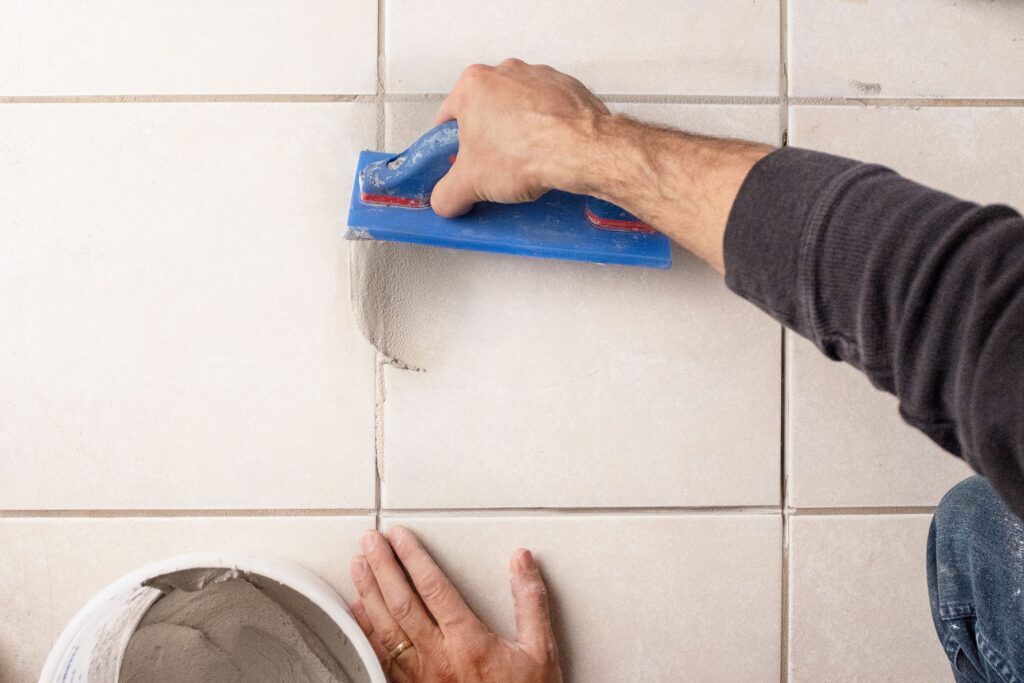
- Floors and tile. Regrout a shower corner. Replace a handful of cracked tiles. Re-glue loose transition strips.
- Exterior upkeep. Seal small gaps. Re-caulk exterior penetrations. Tighten gutters. Replace downspout extensions.
- Safety items. Install grab bars. Mount smoke and CO detectors. Add anti-tip brackets to ranges.
Tip. Group tasks by room to reduce setup time and save on the trip minimum. Ask about material options before the visit so the tech arrives ready.
What are the biggest misconceptions about small repairs?

- It can wait. Many repairs look minor but allow water or air to move where it should not.
- I will save more by bundling later. Small problems multiply. Early fixes are cheaper.
- Every fix needs a specialist. Many issues are handyman-ready. You only need a licensed trade for line-voltage rewiring, gas lines, structural changes, and similar work.
- Quotes are always vague. Good pros give clear ranges and list what is included.
- DIY is always cheaper. Wrong materials or technique can cause damage and void warranties.
What happens if you ignore small issues?
Water is the enemy
- Drips under sinks soak particleboard cabinets. Doors swell and hinges pull out.
- Missing tub or backsplash caulk lets water behind tile. Grout cracks spread. Mold can form.
- Leaky wax rings at toilets stain ceilings below. Subfloors soften and rot.
Air leaks cost money
- Gaps at doors and attic hatches raise utility bills in winter and summer.
- Cold air meets warm interior air. Condensation can form. Paint peels and wood moves.
Exterior wear invites pests
- Open soffit vents and loose fascia let squirrels and insects in.
- Loose gutters dump water near the foundation. Basements get damp.
Small electrical issues grow risk
- Cracked outlets loosen plugs. Heat builds.
- Unprotected bath or kitchen circuits without GFCI increase shock hazard.
Typical timeline of damage
| Issue | 0–30 days | 1–6 months | 6–12 months | 1–2 years |
|---|---|---|---|---|
| Under-sink drip | Musty smell | Swollen cabinet floor | Mold spots | Cabinet replacement |
| Missing tub caulk | Hairline grout cracks | Loose tile edges | Soft drywall behind tile | Tile and wall rebuild |
| Loose gutter section | Overflow in storms | Mulch washout | Soil erosion at foundation | Basement seepage |
| Drafty door sweep | Cold floor | Higher gas bill | Gap widens | Door replacement more likely |
Fix early. Save money. Stay safer.
How much do small repairs cost vs full replacement?
Use these common ranges to plan a visit. See the full local ranges and what each visit includes here. Albany Handyman Pricing Guide.
| Task | Typical Small Repair Range | Often Avoided Replacement Cost | Notes |
|---|---|---|---|
| Recaulk tub or shower perimeter | $120–$220 | $800–$1,800 for full regrout | Prevents water behind tile |
| Fix leaky faucet cartridge | $125–$275 plus parts | $350–$650 full faucet swap | Part cost varies by brand |
| Replace GFCI outlet | $120–$200 | $450–$1,200 for circuit troubleshooting | Local code may require a licensed electrician for some work |
| Adjust sticky interior door | $95–$200 | $450–$900 new prehung door installed | Often solved with hinge shims or planing |
| Regrout 6–10 tiles | $150–$300 | $2,000–$6,000 tile replacement | Spot fixes keep moisture out |
| Patch drywall hole 6–12 inches | $150–$300 | $300–$900 paint-blend a full wall or ceiling | Includes texture match where possible |
| Tighten and seal gutter seams | $150–$250 | $1,200–$2,500 gutter replacement | Stops overflow and fascia rot |
| Reset toilet with new wax ring | $150–$250 | $800–$2,500 subfloor repair | Catches leaks early |
| Weatherstrip exterior door | $110–$220 | $500–$1,000 door replacement | Reduces drafts and noise |
These example ranges reflect typical small jobs in the Capital Region. Materials, access, and site conditions affect time and cost. Always confirm scope and price before work begins.
A handyman albany ny visit often prevents bigger jobs later. That is the core savings.
Which small repairs are most common by season in Albany?
| Season | Typical Issues | Smart Fixes |
|---|---|---|
| Winter | Drafty doors, ice dams, dry-air gaps in trim | Weatherstrip doors, add door sweeps, seal attic bypasses, check bath fan venting |
| Spring | Gutter leaks, storm damage, basement seepage | Tighten gutters, extend downspouts, seal small foundation cracks, repair screens |
| Summer | Swollen doors, porch wear, exterior caulk failures | Plane and adjust doors, re-caulk siding joints, repaint trim spots, fix loose railings |
| Fall | Leaf clogs, cold drafts, loose handrails | Clean and secure gutters, install door sweeps, test smoke and CO detectors, add grab bars where needed |
When hiring a handyman in Albany NY is worth it
Use this guide to decide who to call.
Choose a handyman for
- Non-structural carpentry. Doors, trim, shelving, cabinetry adjustments.
- Fixture swaps. Faucets, disposals, showerheads, small plumbing parts.
- Minor electrical fixture swaps where allowed. Lights, switches, and outlets like GFCI. Verify local requirements.
- Caulking, grouting, sealing, and patching.
- Gutter tune-ups, downspout extensions, and minor exterior sealing.
Call a licensed specialist for
- Panel upgrades, new circuits, rewiring, or aluminum-to-copper pigtailing.
- Gas lines, boilers, and major plumbing reroutes.
- Roof replacement, structural changes, or foundation work.
- Asbestos or lead paint abatement.
DIY is fine when
- You already own the right tools and materials.
- There is no code, water, or safety risk.
- You have time to finish in one session.
If you are unsure, start with a quick photo-based estimate. Good pros will tell you when a specialist is better.
What does transparent pricing look like?
- Clear visit minimum. Know the minimum charge and what it covers.
- Line items by task. Each item listed with labor and materials if needed.
- No surprise fees. Travel and disposal spelled out.
- Change approval. Any scope change requires your OK.
For detailed local ranges and how to bundle tasks to stay within a visit minimum, see the Albany Handyman Pricing Guide.
Real examples that pay off fast
Drafty front door
Symptoms. Cold air, visible light at the bottom, high winter bills. Fix. New sweep, fresh weatherstripping, hinge adjust. Typical cost. $110–$220. Savings. Lower gas or electric spend and warmer entry.
Loose bathroom tiles
Symptoms. Hollow sound, cracked grout near the tub. Fix. Remove loose tiles, reset, regrout, and re-caulk. Typical cost. $150–$300 for a small area. Savings. Avoid a multi-thousand-dollar shower rebuild.
Slow drip under sink
Symptoms. Occasional drip at trap or supply line. Fix. Replace trap washer, tighten compression, or swap a short section. Typical cost. $125–$250. Savings. Protects cabinets and floors.
Dead GFCI in kitchen
Symptoms. Button will not reset. Fix. Replace with a new GFCI outlet where allowed. Typical cost. $120–$200. Savings. Restores safety and function. Follow local code.
Loose gutter elbow
Symptoms. Water dumps near foundation. Fix. Refasten hangers, seal seam, extend downspout. Typical cost. $150–$250. Savings. Less basement dampness and soil erosion.
FAQ. Top excuses vs real impacts
Can I wait until spring to fix caulk and grout?
Waiting lets water behind surfaces. Freeze-thaw widens gaps. Repairs grow.
I plan to sell soon. Why fix anything now?
Buyers and inspectors flag small issues. You either fix them or give credits. Small fixes reduce concessions. See the pre-listing ROI guide for a plan.
Is a visit for one outlet or one drip worth it?
Yes. Bundle small tasks to use the visit minimum well. Add door tweaks, caulk, or detector swaps.
Will a handyman charge me to look?
Most provide free photo estimates. You approve a clear range before work begins.
What if the repair reveals a bigger problem?
Pros stop and show you. They present options and costs. If a specialist is needed, you avoid wasted time.
Do I need permits?
Small like-for-like repairs rarely require permits. New circuits, structural changes, and similar work do. Ask before scheduling.
Mini repair checklist for Albany homeowners
Use this to spot easy wins. Add these items to your next visit.
- [ ] Entry doors. Check sweeps, weatherstripping, latch alignment, and deadbolt throw.
- [ ] Kitchen sink. Look for drips at trap and shutoffs. Touch the cabinet floor for moisture.
- [ ] Bath. Inspect tub and backsplash caulk. Press tiles near wet areas for movement.
- [ ] Outlets and switches. Test GFCI in kitchen, bath, garage, and exterior.
- [ ] Smoke and CO detectors. Test. Replace any older than 10 years.
- [ ] Gutters. Look for sags, leaks at seams, and short downspouts.
- [ ] Doors and trim. Note sticky doors, loose hinges, and cracked trim.
- [ ] Floors. Mark loose transitions, popped boards, and trip edges.
- [ ] Exterior. Seal small gaps at penetrations and trim joints.
How to schedule small repairs fast with fair pricing
- Make your list. Walk each room and use the checklist above.
- Take photos. Wide photo, then close-up. Include a tape measure when helpful.
- Request a quote. Send photos and your list. Ask for a visit minimum and what it includes.
- Approve a range. Confirm materials, finish options, and any specials.
- Book same week. Group tasks by room to reduce setup time.
- Be ready. Clear the work area. Have chosen fixtures on site if you are supplying them.
Most small jobs finish in one visit. If anything needs specialty parts, your pro will schedule a quick follow-up.
What should you expect during the visit?
- Arrival window and text update.
- Walkthrough. Confirm scope, access, and priorities.
- Protection. Drop cloths and shoe covers where needed.
- Progress check. Updates before any change in scope.
- Proof. Photos of repairs and replaced parts if applicable.
- Wrap-up. Final walkthrough and care tips.
How a local Albany handyman makes it easy
- Single contact for many small tasks. Less scheduling effort for you.
- Familiar with local homes. From bungalows in Pine Hills to colonials in Guilderland.
- Prepared for Northeast weather. Materials and methods that hold up to freeze-thaw and humidity.
- Transparent pricing. Visit minimums, line items, and no-pressure add-ons.
- Same-week scheduling. Quick relief for punch lists and inspection fixes.
What materials and fixtures should you choose?
- Caulk. 100 percent silicone for wet areas. Paintable elastomeric for trim.
- Weatherstripping. Kerf-in for doors with slots. Adhesive-backed for older frames.
- Fasteners. Exterior-grade screws outdoors. Stainless near water.
- GFCI. Choose tamper-resistant and weather-resistant where needed.
- Grout. Use sanded for wider joints. Unsanded for tight joints. Seal when cured.
Ask your pro about a short list of recommended brands for faucets, disposals, and hardware that last in our climate.
What is the best way to bundle tasks to save?
- By room. Group kitchen tasks together for faster setup.
- By materials. Do all caulking and grout at once.
- By ladder work. Knock out smoke detectors, ceiling fixtures, and high trim together.
Share your list in order of priority. If time runs short, the must-fix items get done first.
How to tell if a quote is realistic
- It matches your photos and notes.
- It lists likely parts and options.
- It defines the visit minimum and what happens if tasks finish early.
- It explains exclusions. For example, tile behind a wall that is already water-damaged.
What could prevent same-week scheduling?
- Special-order fixtures or uncommon parts.
- Permit requirements for work beyond minor repairs.
- Hidden damage found on arrival.
Even when surprises happen, a good pro will present clear next steps and keep the original small tasks moving.
Simple energy wins you can add to any visit
- Door sweeps and weatherstripping at main entries.
- Foam gaskets behind outlet covers on exterior walls.
- Downspout extensions to carry water away from the foundation.
- Fresh bead of exterior sealant at cable and pipe penetrations.
These low-cost fixes often pay back during the next heating season.
What about older Albany homes?
Many local homes have plaster walls, original wood windows, and unique trim. Small repairs still help. Use plaster-friendly patch methods. Choose flexible sealants at old wood joints. Plan door adjustments with respect for original hardware. Test paint for lead in pre-1978 buildings before sanding.
Who coordinates with inspectors or realtors?
If you are under contract or getting ready to list, ask your pro to review the inspection report or your agent’s punch list. Sequence matters. Do water-related items first. Then safety items. Then cosmetics. For a fast plan that boosts buyer confidence, read the Albany pre-listing repair guide.
What results should you see right away?
- Quieter doors. Tighter latches.
- Lower drafts. More stable room temperatures.
- Dry cabinets and solid floors.
- Working GFCIs and safer outlets.
- Cleaner lines at tile, tubs, and trim.
Track your utility bills and interior humidity before and after the visit. Many small fixes show up in comfort and costs within one month.
How to prepare your home for the visit
- Clear under sinks and around doors.
- Place new fixtures and hardware in the room where they will be installed.
- Keep pets secured.
- Have paint codes ready for touch-ups when possible.
What can you do between visits?
- Check under sinks monthly.
- Wipe and inspect tub and shower caulk lines.
- Vacuum bath fan grills and kitchen hood filters.
- Test GFCIs quarterly. Push test, then reset.
- Walk the exterior after heavy storms.
How do small fixes support resale value?
- They remove buyer doubts. Tight, clean finishes show proper care.
- They shorten repair addendums. Less back and forth saves time.
- They help appraisers see a well-maintained property. That supports value.
Focus on visible entry points. Front door. Kitchen. Primary bath. These areas set the tone for the entire showing.
Pro tip. Prioritize by risk and cost
- Water risks first. Leaks, caulk gaps, and gutter issues.
- Safety second. GFCIs, loose railings, smoke and CO detectors.
- Comfort and efficiency third. Drafts and door alignment.
- Cosmetics last. Patches and touch-ups.
This order prevents the biggest bills and wins buyer trust if you plan to sell.
What if you manage rental property in Albany?
Small repairs keep tenants safe and satisfied. Set quarterly walk-throughs. Fix trip hazards, loose hardware, and water issues quickly. Document with photos. Tenants stay longer when the home feels cared for.
How long should common small repairs take?
| Task | Typical Time | Notes |
|---|---|---|
| Replace GFCI outlet | 30–60 minutes | Shut off power. Verify with tester. Follow code. |
| Door sweep and weatherstrip | 45–90 minutes | Adjust latch and strike while there. |
| Recaulk tub perimeter | 60–120 minutes | Remove old caulk. Clean and dry before new bead. |
| Reset toilet with wax ring | 60–120 minutes | Includes bolt and supply checks. |
| Patch small drywall hole | 60–180 minutes | Dry time affects total duration. |
| Tighten and seal gutter seam | 45–120 minutes | Weather and ladder height affect time. |
What if you need multiple rooms handled?
Build a punch list. Kitchen leaks and cabinet hardware. Bath caulk and fan cleaning. Entry door sweep and sticky lock. Patches and touch-up paint. A single well-planned visit often covers all of that.
To keep your plan simple, ask for a not-to-exceed number that fits your budget. Prioritize the must-fix items first. If time remains, add wish-list items.
How to compare two quotes
- Scope. Does each quote list the same tasks.
- Timeline. Can they schedule this week or next.
- Warranty. What is covered and for how long.
- Communication. Do they respond quickly and clearly.
Better communication usually predicts a smoother visit and fewer surprises.
Where does a visit usually save the most?
- Water management. Caulk, grout, and gutter tune-ups prevent expensive repairs.
- Door and window sealing. Comfort improves, and bills drop.
- Safety checks. Detectors, GFCIs, and railings protect your family.
Your home stays solid when these small items get routine attention.
Simple ways to avoid call-backs
- Wait full cure time for caulk and adhesives before using the area.
- Run bath fans during showers and 20 minutes after.
- Use splash guards at sinks that tend to leak.
- Keep gutters clear during fall leaf drop.
Can you supply your own fixtures?
Yes, most pros will install homeowner-supplied fixtures. Share model numbers in advance. That lets your pro confirm compatibility and bring any special tools or adapters.
What payment and paperwork should you expect?
- Written estimate or work order before starting.
- Digital invoice with time and materials detail.
- Receipt and warranty terms in writing.
How long will results last?
- Quality caulk. One to five years depending on product and use.
- Weatherstripping. One to three years with heavy door use.
- GFCI outlets. Many years when installed correctly.
- Grout and sealant. Longer with regular cleaning and proper ventilation.
Final checks before you book
- Read recent local reviews.
- Confirm insurance and any license requirements for your tasks.
- Ask about visit minimums and grouping tasks.
- Share photos and deadlines, such as an inspection date.
What makes the best value in small repairs?
- Fast response. Same-week schedule means less damage and stress.
- Clear pricing. You know what is included.
- Efficient execution. One visit, many fixes.
- Honest guidance. They tell you when a specialist is better.
Your goal is simple. Fix it right the first time. Prevent bigger costs. Keep your home comfortable year-round.
Ready to group a few tasks. Book a quick estimate. A handyman albany ny can often complete a punch list in one efficient visit.
Conclusion. Fix small issues fast and protect your home
Small repairs deliver big results in Albany’s climate. Early fixes reduce energy bills, prevent water damage, and improve safety. Clear pricing and same-week scheduling make it easy to act now. If you want a reliable local partner, schedule with Local Handyman Repair today. Send your photos, get a quick quote, and check off your list this week.
