
What small home repairs give big savings in Clifton Park?
Summary
- Small leaks, gaps, and clogs turn into rot, pests, and higher energy bills in our freeze–thaw climate.
- Most costly repairs I see start with ignored water and poor ventilation.
- Simple checks at the roofline, windows, baths, and basement prevent big tear-outs later.
- Draft control and moisture control give the fastest payback in Clifton Park homes.
- Consistent minor fixes keep inspection reports clean and resale credits lower.
Introduction
I walk Clifton Park houses that look fine from the street, but inside I find small problems that sat too long. The owners didn’t ignore them out of neglect. They just didn’t see them as urgent. In our area, small water and air leaks don’t stay small. Freeze–thaw, lake-effect snow, and humid summers push little issues into bigger ones.
Through Local Handyman Repair, I’m in attics, basements, and crawl spaces all over the Capital Region. I keep a mental list of the tiny repairs that save the most money when handled early. You can spot most of these during a calm walk-through. If you decide it’s past your comfort zone, that’s when handyman services in clifton park ny step in.
Why small repairs matter here
In this region, water wins if you give it time. It gets behind trim, freezes, expands, and opens the gap wider. Warm months bring ants, wasps, and carpenter bees into those gaps. Basements breathe moist air in spring and fall, and that finds the coldest surface to condense on. Half the major repairs I’m called to do started as a faint stain, a loose shingle, or a wiggly faucet.
Minor issues worth doing now
1) Gutters, downspouts, and grading
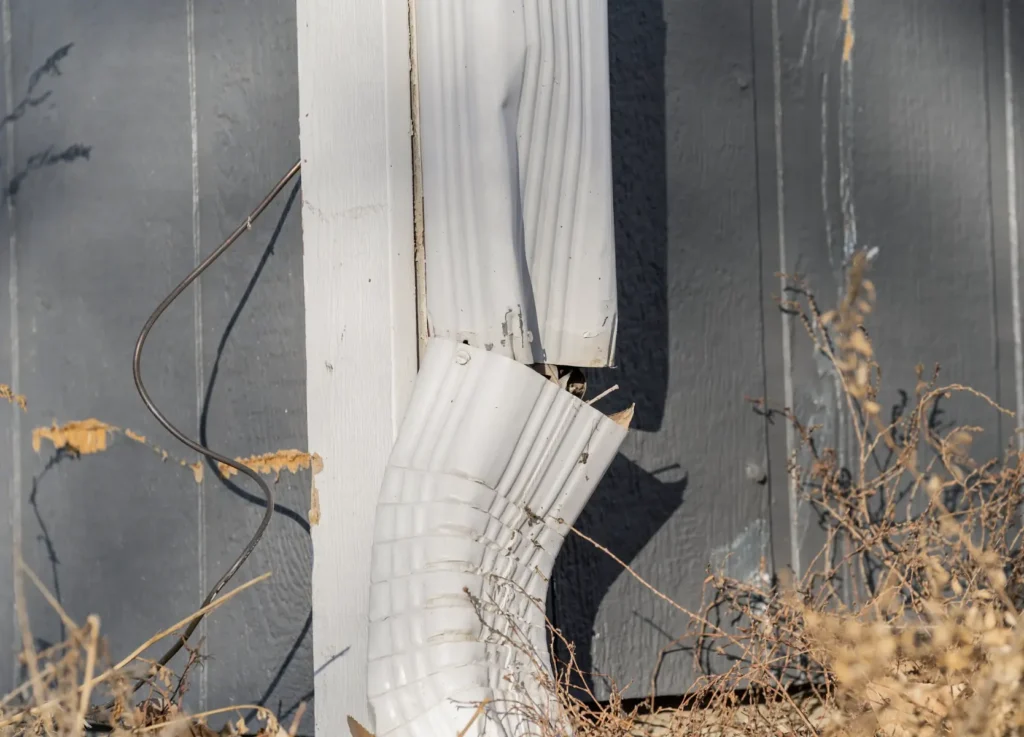
- What I look for: Shingle grit in gutters, sagging hangers, joints dripping at every storm, downspouts stopping at the foundation, negative slope toward the house.
- Why it’s easy to miss: Water disappears into mulch. You only notice during a storm.
- What it turns into: Ice dams, soffit rot, wet basements, heaved walkways, and foundation hairlines that grow.
If you want more on this, I wrote up my gutter routine here: Albany handyman guide to gutter cleaning and repair and a separate piece on Upstate NY gutter guards and downspout extensions.
2) Caulk and flashing at windows, doors, and trim
- What I look for: Split caulk at vertical joints, missing kick-out flashing at roof-to-wall, softened window sills, hairlines under brick mold.
- Why it’s easy to miss: Paint hides it. Dry days show nothing.
- What it turns into: Swollen jambs, ant trails, interior drywall bubbling, paint that won’t hold.
3) Roof smalls: nail pops, lifted shingles, exposed fasteners
- What I look for: Blisters on asphalt shingles, lifted corners near ridges, exposed nails at ridge caps and flashing.
- Why it’s easy to miss: You don’t climb up. From the ground it looks okay.
- What it turns into: Slow seep at the sheathing, moldy attic sheathing, ice dams set up by warm attic air.
4) Bathroom ventilation and minor plumbing weeps
- What I look for: Bath fan ducts venting into the attic, weak fan draw, rusty toilet tank bolts, crusty shutoff valves, damp rings around toilet bases.
- Why it’s easy to miss: Smells fade. Water evaporates. You get nose-blind.
- What it turns into: Attic mold blooms, soft subfloor around toilets, ceiling spots below baths.
5) Weatherstripping and door thresholds
- What I look for: Daylight at door corners, crushed sweeps, loose strike plates, cold air at baseboards near doors.
- Why it’s easy to miss: You only feel drafts on windy days.
- What it turns into: Higher National Grid bills, ice near entryways, swollen doors.
6) Foundation hairlines and sump basics
- What I look for: New hairline cracks that dampen after rain, clogged sump intakes, pumps that short-cycle, downspout discharge near wells.
- Why it’s easy to miss: Basements aren’t lived in. You pass through.
- What it turns into: Efflorescence, moldy sill plates, lifted floors, stubborn doors.
7) Electrical smalls: loose receptacles and missing GFCI
- What I look for: Outlets that wiggle in the box, scorch marks, no GFCI near sinks or in garages, open grounds on older homes.
- Why it’s easy to miss: Everything still powers on.
- What it turns into: Shock risk, inspector write-ups, insurance questions after an incident.
8) Dryer vent and lint management
- What I look for: Foil flex crushed behind dryers, termination flappers stuck open, lint snow under deck terminations, long runs with elbows.
- Why it’s easy to miss: Dryer still dries. Slowly.
- What it turns into: Heating element failures, hot laundry rooms, elevated fire risk.
9) Deck fasteners and stair safety
- What I look for: Loose ledger bolts, corroded joist hangers, spongy treads, loose rail posts.
- Why it’s easy to miss: Winter hides movement. Spring parties find it.
- What it turns into: Structural sag, loose rails, trip and fall claims.
Simple progression patterns I see
Gutter clog -> Roof edge overflow -> Ice dam -> Soffit rot -> Interior ceiling stains

Tiny sink drip -> Cabinet floor swell -> Moldy base -> Ants -> Full sink base replacement

Door gap -> Warm air out / cold in -> Condensation at jamb -> Swollen wood -> Door won’t latch

Sill gap -> Mice entry -> Chewed insulation/wires -> Short circuit -> Drywall and wiring repair

Lint buildup -> Poor venting -> Hot dryer -> Failed element -> Burnt plug or worse
Cost and outcome table (based on what I see locally)
These ranges reflect what I usually see around Clifton Park and the Capital Region. Numbers shift by house size and access.
| Small repair now | If ignored | Typical now-cost | Typical later-cost |
|---|---|---|---|
| Reseal 1-2 gutter seams, add 10–15 ft downspout extension | Wet basement, drywall repair, moldy base trim | $150–$350 | $1,200–$4,000+ |
| Replace door sweep and weatherstripping | Energy loss, swollen jamb, threshold rot | $90–$200 | $600–$1,500+ |
| Reset toilet with new wax/seal | Soft subfloor, tile repair, ceiling stain below | $180–$350 | $1,000–$3,500+ |
| Replace a few lifted shingles and seal nail pops | Attic mold, sheathing replacement | $150–$350 | $1,500–$5,000+ |
| Clean and correct dryer vent run | Burnt element, scorched plug, smoke cleanup | $120–$300 | $400–$2,500+ |
| Caulk window/trim gaps and add kick-out flashing | Sill rot, interior wall repair | $150–$450 | $1,200–$3,000+ |
Homeowner excuses I hear, and what they led to
- “I’ll deal with it later.” Later shows up after a storm line of wet drywall across the living room.
- “It’s probably not a big deal.” The small brown halo on the ceiling means water has already traveled.
- “I can fix that myself someday.” Weeks turn into a season. Freeze–thaw opens the gap wider and adds new problems.
I don’t say this to push work. I say it because I’m the one pulling apart soggy trim and explaining why a $20 tube of sealant last fall would have kept me out of your dining room this spring.
Fix-first approaches that save money
- Water out, air tight: Keep bulk water away from the foundation and roof edges. Seal obvious air paths at doors and attic penetrations.
- Vent where you make moisture: Bathrooms, kitchens, and dryers need clean, direct exits.
- Stabilize before finish: Stop the leak first, then talk paint and patch. Don’t start with drywall.
- Keep the roofline clean: Gutters, valleys, and eaves are where 70% of the headaches start in this area.
- Document small fixes: Photos and dates help during resale and inspections.
Seasonal inspection priorities for Clifton Park
Late winter / early spring (thaw)
- Watch for ice dam scars at eaves and inside ceiling corners.
- Check downspouts for splits and extensions that popped off under snow.
- Look at basement walls 24–48 hours after a rain for damp hairlines.
Late spring / summer
- Look for carpenter bee holes under eaves and deck joists.
- Test GFCI outlets in kitchens, baths, garage, and outside.
- Confirm bath fans push strong air outside, not into the attic.
Fall (leaf drop)
- Gutter clear-out before first snow. Re-hang sagging runs.
- Swap door sweeps and weatherstripping if you see daylight.
- Inspect roof valleys for debris bundles that trap ice.
Mid-winter
- Watch interior humidity. Frost on window corners means moist indoor air finding cold surfaces.
- Listen for sump pumps short-cycling during warmups.
- Check dryer vent termination for steady flap and no lint piles.
Safety impacts of small problems
- Loose outlets and missing GFCI increase shock risk on wet floors and in garages.
- Loose stair treads and wobbly rails lead to falls, especially with ice at entries.
- Wet subfloors around toilets and tubs lose strength and surprise you underfoot.
- Lint-choked dryer vents overheat elements and cords.
Energy and cost savings you actually feel
- Weatherstripping doors and sealing obvious attic air gaps usually cut drafts immediately. In my experience, winter comfort jumps the same day.
- Dryer vent cleanouts shorten cycles. You’ll notice fewer runs per load.
- Redirecting downspouts away from the foundation makes dehumidifiers work less in summer.
If a job grows beyond quick maintenance, that’s when handyman services in clifton park ny make sense. I’m pointing that out because piecemeal fixes can waste time if the source isn’t handled.
Resale value impact from routine small fixes
Buyers around here bring inspectors who flag moisture stains, missing GFCI, sagging gutters, loose rails, and attic staining. When this list stacks up, sellers end up issuing credits or doing rush work under pressure. I’ve watched small consistent upkeep knock a long report down to a short one. That keeps renegotiations calmer and cheaper.
Step-by-step minor repair evaluation checklist
This is a walk-around sequence. It’s not a how-to, just what to look for so you can decide what needs attention.
Outside
- Gutters: After rain, look for joints dripping and streaks on siding under them.
- Downspouts: Confirm extensions carry water 6–10 feet away. Look for washouts near corners.
- Roof edges: From the ground, scan for lifted shingle corners or missing ridge caps.
- Siding/trim: Press gently near window sills and door bottoms. Soft spots mean water entry.
- Deck and stairs: Wiggle rails, step on each tread, sight along the ledger for gaps.
Entry points
- Doors: With the door closed, look for daylight at corners. Run your hand for cold air on windy days.
- Threshold: Check for soft wood or missing caulk where metal meets wood.
Kitchen and baths
- Under sinks: Look for fresh water tracks, swollen particleboard, and greenish shutoff valves.
- Toilets: Any wiggle at the base or staining around the bottom means the seal may be failing.
- Fans: Hold tissue to the fan grille. Weak pull suggests a dirty fan or bad ducting.
Basement
- Walls: After rain, check for damp lines, white powder (efflorescence), or new hairlines.
- Sill plate: Look for dark, musty wood or insect frass on the sill.
- Sump: Listen for short-cycling. Confirm the discharge stays clear and far from the house.
Attic
- Sheathing: Look for dark spots near nails and valleys.
- Bath vent: Trace duct to confirm it exits the roof or wall, not open in the attic.
- Insulation: Find obvious air gaps around pipes, lights, or attic hatches.
Mechanical and laundry
- Dryer: Check behind for crushed hose. Outside, confirm the flap moves and closes.
- Electrical: Test GFCI in wet areas. Replace damaged cover plates and tighten loose devices.
How handling small repairs protects long-term value
- Structure: Dry framing stays straight. Doors keep latching. Floors stay flat.
- Finishes: Paint, caulk, and trim last longer when the substrate stays dry.
- Mechanical: Dryers and fans last longer when ducts are clear and short.
- Inspections: Fewer red flags means fewer credits or rushed contractor visits later.
When to pull in help
If the source of moisture isn’t obvious, or a small issue has spread, it pays to stop guessing. That’s where handyman services in clifton park ny can trace and stabilize the problem before you spend on finishes.
FAQ
How often should I check gutters here?
At least at leaf drop and again after the first hard rain in spring. Pine areas need mid-summer checks. I re-hang sections when I see standing water in runs.
Are hairline foundation cracks an emergency?
Not by themselves. I mark the ends with pencil and watch after storms. If they darken or grow, I redirect surface water first, then look at sealing.
How do I know if a bath fan is doing anything?
If mirrors stay fogged more than a few minutes, the fan is undersized, dirty, or vented poorly. I usually find disconnected or long, sagging ducts in attics.
Is window condensation normal in winter?
Some at corners happens when indoor humidity runs high. If water pools on sills, that’s either a humidity issue or air leaking around the frame. Both are fixable.
What’s the first place to look after a windstorm?
Roof ridges and the first 3 feet up from the eaves. That’s where I see shingle edges lift and nails pop.
Closing perspective
Most expensive repairs I handle started small. Water and air take the path you give them. If you look for the simple signs and handle them early, you avoid opening walls later. If you want to talk through what you’re seeing, you can reach me through Local Handyman Repair. You can call or leave a message through the contact form if you want to talk it through.
