
Clifton Park Handyman: Small Problems That Become Big Headaches
Summary
- Know when doors, drywall, faucets, tile, and carpentry issues need a pro, and what you should expect on price and timeline.
- See a quick table of common repairs with typical time and cost ranges in Clifton Park.
- Use a step-by-step homeowners checklist to prep, approve, and maintain repairs.
- Get FAQs on parts, warranties, permits, and how to avoid repeat problems.
- Learn how to choose a reliable local provider and why a skilled handyman saves you money.
Your Clifton Park Repair Guide: Doors, Drywall, Faucets, Tile, and Carpentry
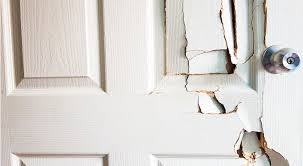
Small problems turn into expensive headaches fast. A sticky door becomes a security risk. A slow faucet drip stains sinks and wastes water. A hairline drywall crack spreads near a stair rail. A loose tile turns into a trip hazard. Good news. The right pro fixes these quickly and at a fair price. In this guide, you will learn how a trusted local handyman handles doors, drywall, faucets, tile, and basic carpentry the right way.
If you’re unsure which repairs to prioritize or how soon you need to act, getting quick guidance from pros who specialize in clifton park handyman services can help you prevent minor issues from turning into costly damage. A short conversation can give you clarity on timing, budget, and the smartest fixes for your home.
Why hiring a pro handyman often beats DIY
Q: What does a handyman handle vs a contractor?
A handyman handles small to mid-size repairs and maintenance. Think door adjustments, drywall patches, faucet swaps, tile repairs, trim, and shelving. A contractor handles bigger remodels and structural changes. For most household fixes, a skilled handyman is the fast, cost-effective option.
Q: When should I call a pro instead of DIY?
- If water is involved. Leaks cause hidden damage.
- If safety is at risk. Loose railings, doors that do not latch, cracked tiles on stairs.
- If you need it to look seamless. Drywall texture, color matching tile and grout, finish carpentry.
- If you lack the tools. Hole saws, oscillating tools, tile wet saws, stud finders, laser levels.
- If the fix affects resale or an inspection. Buyers look at details.
Q: How do pros save you money?
- They diagnose root causes fast. That stops repeat problems.
- They bring the right tools. That shortens labor time.
- They use proven methods. That protects finishes and warranties.
- They bundle tasks. One visit, multiple fixes.
Services overview: What to expect for common home fixes
Doors: sticking, squeaking, misaligned latches, drafts
Common issues:
- Rubbing on the jamb or floor
- Latch does not catch or deadbolt misaligned
- Hinge screws loose or stripped
- Weatherstripping ripped or missing
- Threshold worn or out of level
What a pro checks:
- Hinge alignment and screw bite into framing
- Reveal gaps around the slab for square and plumb
- Strike plate depth and position
- Weatherstripping compression and threshold height
- Moisture swelling and seasonal movement patterns
Typical fixes:
- Reset or replace hinge screws with longer ones into the stud
- Plane the edge lightly and seal exposed wood
- Adjust or relocate strike plate
- Replace weatherstripping and set threshold
- Install a new lockset if the old one is worn
Time and cost range:
- Minor tune-up: 30 to 60 minutes
- Hardware and weatherstrip swap: 60 to 90 minutes
- New prehung interior door: 2 to 4 hours
Pro tip: If your door sticks every July and is loose again by January, ask about seasonal gaps and humidity control. A clifton park handyman will also check for casing movement caused by fasteners into drywall rather than framing.
Drywall: cracks, holes, tape blisters, nail pops
Common issues:
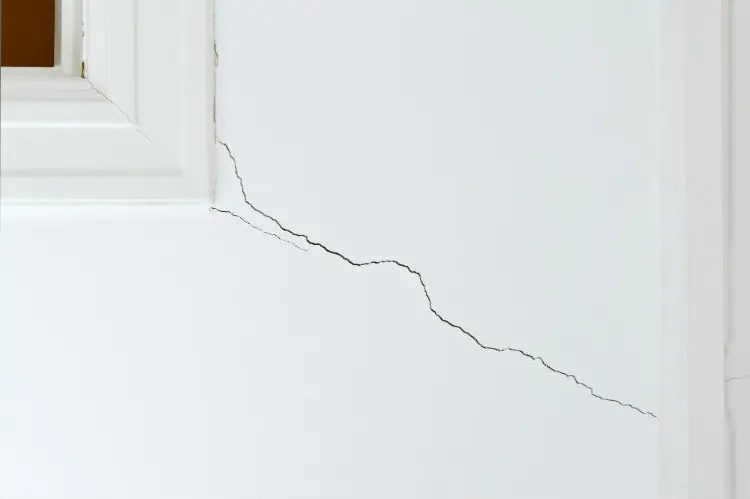
- Corner cracks or seams around doors due to movement
- Popped nails and screws
- Door handle holes
- Water stains and sagging near bathrooms or laundry
What a pro checks:
- Cause of movement, not just the symptom
- Moisture levels with a meter
- Stud spacing and fastener pattern
- Existing texture and sheen to match repairs
Typical fixes:
- Cut and patch with backer support and screws
- Tape, mud in layers, sand, prime, and paint
- Replace damaged corner bead
- Seal and paint after moisture source is fixed
Time and cost range:
- Small patch and paint: 2 to 3 visits over 1 to 2 days because of drying time
- Larger sections or water damage: 1 to 2 days of work over 2 to 3 days
Pro tip: Ask for the exact paint brand and sheen used. Your pro should leave the label or a small jar of touch-up paint for future nicks.
Faucets: leaks, low flow, worn cartridges, supply line issues
Common issues:
- Drips from spout or leaks at base
- Low flow from clogged aerators or debris in valves
- Worn cartridges or O-rings
- Old, brittle supply lines
- Leaky traps or loose drain assemblies
What a pro checks:
- Shutoff valves, supply line condition, and water pressure
- Brand and model for the right cartridge or seals
- Under-sink leaks that stain cabinets
- Cross-threaded connections or corrosion
Typical fixes:
- Replace cartridge, O-rings, and aerator
- Install braided stainless supply lines
- Reseat or replace the faucet with new putty or gasket
- Replace P-trap or tighten slip joints with proper alignment
Time and cost range:
- Cartridge and aerator service: 45 to 90 minutes
- Full faucet replacement: 60 to 120 minutes
Pro tip: Under-sink shutoff valves often fail. Ask your tech to replace them while the faucet is out. It adds a small cost but prevents future leaks.
Tile: loose tiles, cracked grout, tub surrounds, floors
Common issues:
- Hollow or loose tiles
- Cracked grout or caulk gaps
- Water staining on ceiling below a tub or shower
- Uneven transitions between rooms
What a pro checks:
- Substrate condition and movement
- Waterproofing in wet areas
- Grout type and color for matches
- Expansion joints at perimeters and around fixtures
Typical fixes:
- Lift and reset loose tiles with proper thinset
- Regrout or re-caulk with silicone in wet corners
- Spot repair with color-matched grout and sealant
- Repair transitions with reducers or schluter strips
Time and cost range:
- Single tile reset and grout repair: 1 to 2 hours plus dry time
- Recaulk tub surround: 60 to 90 minutes plus cure time
Pro tip: If grout cracks keep returning, ask about movement and substrate. Sometimes the fix is flexible sealant at changes of plane and better support under the tile.
Carpentry: trim, shelving, railings, built-ins, small repairs
Common issues:
- Loose stair rail or wobbly balusters
- Baseboard gaps and scuffed casings
- Sagging shelves or wall anchors pulling out
- Sticking drawers or doors in built-ins
What a pro checks:
- Fastener type and pattern into studs
- Level, plumb, and square of assemblies
- Wood movement and humidity effects
- Paint or stain match for seamless repairs
Typical fixes:
- Reset rails with longer structural screws and proper anchors
- Replace or reattach trim with glue and nails, then caulk and paint
- Install new shelves with ledger support into studs
- Tune drawers and hinges, replace slides if worn
Time and cost range:
- Trim touch-ups: 1 to 3 hours
- Stair rail reset: 1 to 2 hours
- Custom shelving: half day to a full day
Pro tip: Ask for a small jar of matched touch-up paint or stain for future nicks. A good carpenter leaves your space clean and ready for photos.
Quick reference table: Common fixes, time, and typical ranges
| Repair | Typical Tasks | Typical Time | Notes |
|---|---|---|---|
| Door tune-up | Hinge reset, plane edge, adjust strike, weatherstrip | 0.5 to 1.5 hours | Check seasonal movement and thresholds |
| Drywall small patch | Patch, tape, mud, sand, prime, paint | 2 to 3 visits over 1 to 2 days | Dry time drives schedule |
| Faucet replacement | Remove old, install new, new supply lines, test | 1 to 2 hours | Replace shutoffs if sticky or corroded |
| Tile re-caulk | Remove old caulk, clean, apply silicone | 1 to 1.5 hours | Let cure per label before use |
| Stair rail secure | Locate studs, structural screws, tune fasteners | 1 to 2 hours | Safety critical |
These are general ranges. Your actual cost depends on access, material choice, and the number of tasks bundled into one visit.
clifton park handyman
How to choose the right local pro:
- Ask for local references and recent photos of similar work.
- Confirm liability insurance. Ask for a certificate.
- Request a written scope with materials, brand names, and finish details.
- Agree on start date, estimated duration, and payment terms.
- Ask about warranty. 1 year on labor is common for small repairs.
- Expect clean-up and debris removal in the quote.
Permits are rarely needed for minor repairs. If work touches electrical circuits, walls inside bathrooms, or major structural items, your pro should guide you on permits and code compliance in Saratoga County.
Step-by-step homeowners checklist
- Define the list. Walk room to room. Write every issue down. Add photos on your phone.
- Prioritize. Water, safety, and exterior weather entry come first.
- Collect details. For faucets, note the brand under the cap. For paint, note brand and sheen.
- Set a budget. Decide what to do now and what to schedule next month.
- Send your list with photos. Ask for a bundled quote and timeline.
- Confirm your clifton park handyman appointment in writing. Include access instructions and parking notes.
- Prep the work area. Clear sinks, empty vanity bases, move small furniture, and crate pets.
- On arrival, walk the list. Approve scope, finishes, and any add-ons.
- During work, ask to see hidden issues. Approve change orders before work continues.
- Test everything with your tech before they leave. Doors latch. Faucets run hot and cold. Tile joints look crisp. Railings feel solid.
- Collect touch-up materials and photos of hidden work. Label and store them.
- Schedule a follow-up. Set a reminder in 30 days to confirm everything still looks right.
- Plan maintenance. Re-caulk wet areas yearly. Check weatherstripping before winter.
Q&A: Your top repair questions answered
Q: How fast can I get on the schedule?
Many small jobs fit within 1 to 2 weeks. Emergencies like active leaks get priority. Ask if the team offers a quick service window for small punch-list items.
Q: What if my faucet brand is unknown?
A pro identifies it by stem and cartridge style. If parts are unavailable, they recommend a quality replacement that fits your sink and look.
Q: Do I need to buy materials?
Not required. Many homeowners prefer the pro to supply materials that match and fit. If you already bought a faucet or tile, share details before the visit.
Q: Will repair dust be a problem?
Ask for dust control. Pros use drop cloths, plastic sheeting, and vacuums with HEPA filters for sanding.
Q: Do small repairs need permits?
Most do not. Work that affects structure, plumbing main lines, or electrical circuits can require permits. Your pro should advise.
Q: How long will caulk or grout last?
Silicone in wet areas often lasts several years if you keep it clean and dry after use. Sanded grout lasts longer when sealed and not stressed by movement.
Q: Can you match paint exactly?
Close matches are common. Exact matches require the original paint and sheen. A pro blends repairs at natural breaks to hide transitions.
Q: What warranty should I expect?
For handyman work, 6 to 12 months on labor is common. Materials carry manufacturer warranties.
Infographic: A simple repair-day timeline
- Arrival and walk-through. Confirm scope and finish details.
- Protection. Drop cloths, masking, and water shutoff if needed.
- Repair. Replace parts, patch, set, or tune.
- Quality check. Test, adjust, and clean up.
- Sign-off. Photos, leftover parts, and tips for care.
Keep this flow in mind. It keeps visits smooth and predictable.
Cost and value: What waiting really costs
Small problems get expensive when water, movement, or daily use makes them worse. Use this quick guide to make smart choices.
| Issue | Wait-and-see risk | Potential added cost if delayed | Best move |
|---|---|---|---|
| Dripping faucet | Stains, higher water bills, cabinet damage | Water waste and possible new cabinet base | Replace cartridge and supply lines now |
| Loose tile in shower | Water intrusion behind wall | Backer board replacement or mold remediation | Reset tile and re-seal joints early |
| Door that does not latch | Security and energy loss | Warped door, frame repair | Tune hinges and strike, add weatherstripping |
| Drywall tape crack | Spreading crack and visible seams | Wider patch, more painting | Patch and properly fasten to studs |
| Loose stair rail | Fall risk | Medical bills and liability | Secure into structure today |
Three local case snapshots
Case 1: Ranch near Exit 9
Problems: Sticking front door, draft in winter, scuffed threshold. Actions: Reset hinge screws into stud, planed latch edge 1 millimeter, replaced weatherstripping, adjusted threshold. Result: Smooth close, snug seal, lower heat loss felt at entry.
Case 2: Townhome off Vischer Ferry Road
Problems: Dripping bathroom faucet and musty cabinet. Actions: New shutoff valves, braided supply lines, brand-matched cartridge, cleaned and sealed cabinet base. Result: Silent faucet, dry cabinet, cleaner look.
Case 3: Colonial near Clifton Commons
Problems: Cracked grout on shower wall and a hollow floor tile by the pantry. Actions: Removed loose grout, reset tile with proper thinset, silicone at inside corners, sealed grout. Result: Solid floor, shower neat and watertight.
Materials and methods that separate pros from guesswork
- Correct fasteners. Structural screws for rails, not drywall screws.
- Moisture-smart products. Silicone in wet corners, not grout.
- Proper substrates. Cement board or waterproof membrane behind tile in wet zones.
- Paint process. Prime patched areas, then paint to sheen, not just spot dabs.
- Faucet installs. Plumber’s putty or gaskets as designed, torque set to spec, new supply lines.
If a fix looks too quick to be thorough, ask what is under the surface. Good work looks simple because the prep was done right.
Seasonal realities in Clifton Park and Upstate NY
- Winter dryness shrinks wood. Doors may loosen. Adjust hardware and check weatherstripping.
- Summer humidity swells wood. Doors stick. Light planing and sealing solves this.
- Road salt and wet boots stress grout lines by entries. Reseal grout yearly.
- Freeze-thaw cycles loosen exterior thresholds and steps. Re-secure and seal gaps before winter.
- Holiday hosting strains sinks and fixtures. Service faucets and traps before guests arrive.
Ask your pro to set a maintenance calendar that fits your home’s patterns.
When bundling repairs makes sense
- Same room, multiple tasks. Example: Fix drywall, swap a faucet, recaulk tub in one visit.
- Same materials. Example: Paint touch-ups in several rooms after drywall patches.
- Entry upgrades. Example: Door tune-up, new weatherstripping, threshold set, and lockset swap.
Bundling saves on trip charges and shortens your to-do list.
Red flags to avoid
- No written scope or estimate.
- Vague timelines or refusal to schedule.
- No insurance or references.
- Cash-only with no receipt.
- Messy work areas and poor protection of your home.
Planning your repair budget
- Set a monthly home care budget. Small, steady spending beats big surprise bills.
- Keep a parts kit. Common caulks, touch-up paint, and felt pads reduce wear.
- Invest in prevention. New supply lines, shutoff valves, and fresh caulk pay for themselves.
Talk with a clifton park handyman about a seasonal plan that keeps your home a step ahead.
Related resources and further reading
- Explore more homeowner guides on the Local Handyman Repair blog.
- Protect your exterior with this guide to Upstate NY gutter guards and downspout extensions.
Grab-and-go mini checklists
Door tune-up
- Check hinges for movement. Replace 1 screw per hinge with longer into stud.
- Adjust strike plate. Verify latch and deadbolt alignment.
- Inspect weatherstripping and threshold. Replace if worn.
- Seal any fresh plane cuts to prevent moisture.
Drywall patch
- Secure backing and screws into studs.
- Tape and mud in two to three coats. Allow dry time.
- Sand, prime, then paint full break points.
- Label leftover paint with room and date.
Faucet swap
- Shut water off and verify at supply.
- Remove old lines. Clean sink deck.
- Install faucet per brand instructions.
- New braided lines and new shutoffs if needed.
- Check for leaks at warm, cold, and drain.
Tile touch-up
- Remove failed caulk fully. Clean and dry.
- Use silicone in wet corners. Tool neatly.
- Regrout small areas and seal after cure.
- Document brand and color used for future work.
How to prepare your home for the visit
- Clear access. Move cars if needed. Open gates.
- Empty under-sink cabinets for plumbing work.
- Cover valuables and electronics near work areas.
- Arrange pet care. Loud tools can stress animals.
- Have decisions ready. Faucet finish, paint sheen, grout color.
Post-repair care tips
- Let caulk cure per label before showers.
- Use mild cleaners on new finishes. Avoid harsh abrasives.
- Wipe water from tile corners after use to extend sealant life.
- Check door hardware in 30 days and snug any screws.
- Keep a simple home log with dates, products, and photos.
When to upgrade instead of repair
- Faucets older than 15 years with corrosion and hard-to-find parts.
- Doors with severe warp or rot.
- Tile with widespread hollow sound and movement in substrate.
- Drywall with repeated moisture damage before leak is fixed.
A skilled pro will show you both paths and explain total cost of ownership.
Get help from a trusted local team
You do not need to juggle five specialists for small repairs. One call can handle the list. Whether you need a door tuned, a faucet replaced, tile re-caulked, or a drywall patch that blends, a reliable clifton park handyman saves time, limits disruption, and delivers clean results.
Conclusion
Your home deserves small fixes done right. Doors should close smoothly. Faucets should run clean and dry. Tile should look crisp. Drywall should disappear. When you want a clear scope, tidy work, and a respectful service visit, trust Local Handyman Repair. Get your list handled by an experienced clifton park handyman and enjoy a home that feels solid, safe, and ready for company.
