
Why Custom Radiator Covers and Safety Grilles Matter for Albany Homes | handyman albany ny Guide
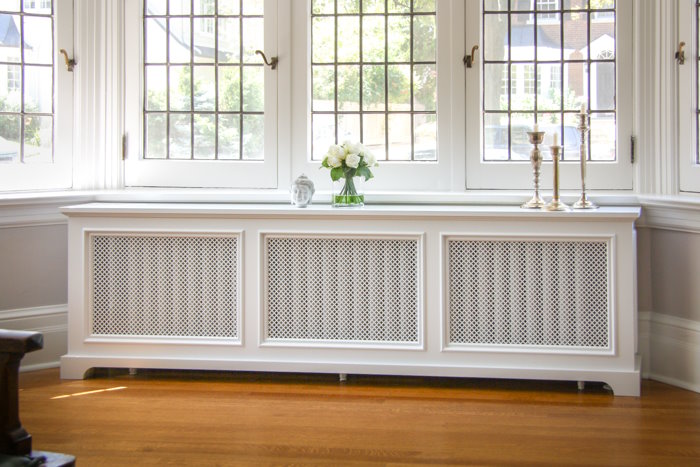
Old steam and hot-water radiators heat Albany homes well. They also create risks. You can protect your family, improve comfort, and upgrade style with custom radiator covers and safety grilles. This guide shows you how to choose the right solution for your rooms, your budget, and your radiators using handyman albany ny.
Need options, fast pricing, and clean installs you can trust? Local Handyman Repair builds and installs radiator covers that fit Albany homes and schedules.
1. Why radiator safety matters in Albany homes
Albany and Upstate NY have many pre-war and mid-century houses. Most use cast iron radiators. Those units run hot. Uncovered surfaces can reach 160 to 180 degrees during peak heating. Exposed steam and return lines can exceed that temperature.
- Children can touch or lean on hot iron and get burns.
- Pets can brush against fins and get injuries.
- Clutter can fall onto hot surfaces and melt or scorch.
- Loose clothing can snag on valves and cause falls.
- Unprotected valves and vents can break during play.
You can reduce these risks with a properly ventilated cover. You add a buffer that still lets heat flow into the room.
2. What custom radiator covers and grilles do
Safety
- Lower touch temperatures. The cover face runs cooler than bare iron.
- Block direct contact with fins, valves, and pipes.
- Prevent toys and small items from falling into the radiator.
Efficiency
- Direct heat into the room with a front grille and top shelf that forms a convection path.
- Reduce heat loss to windows when the top shelf deflects warm air.
- Cut dust buildup on fins with filtered or baffled intake options.
Value
- Upgrade style with finishes that match trim and floors.
- Add function with a usable shelf for decor or storage.
- Improve buyer confidence during showings and appraisals.
3. Specific dangers of exposed radiators and pipes
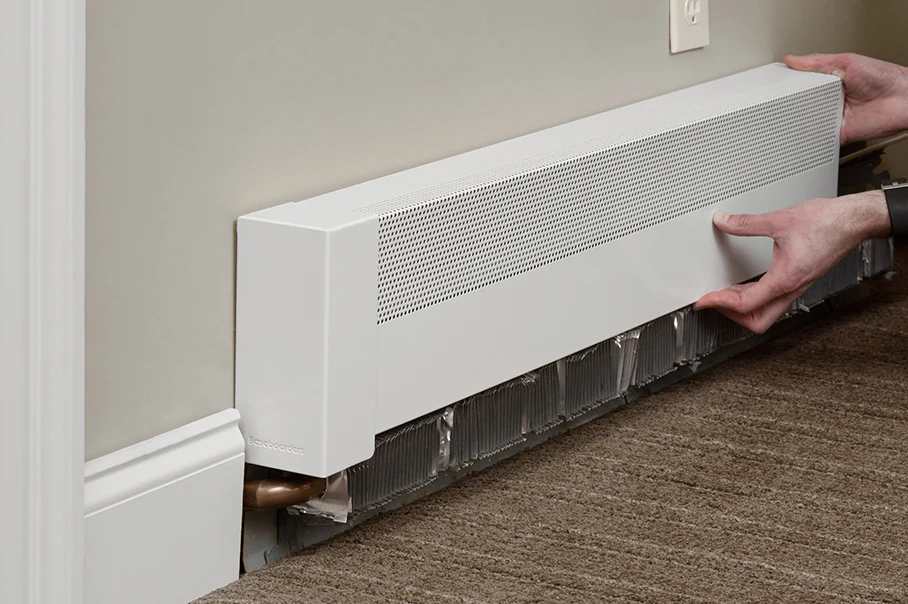
- Skin burns. A few seconds of contact can injure small hands.
- Bumping hazards. Sharp fins and valve handles can cut or bruise.
- Tip and trap risks. Toys and socks slip behind and block heat or scorch.
- Pet safety. Cats and dogs curl up too close to hot cast iron.
- Moisture damage. Steam leaks can warp nearby wood and paint.
- Behavior triggers. Radiators hum or ping. Kids explore the sound source.
A cover reduces access, guides airflow, and shields valves from casual contact.
4. Material options and ventilation considerations
Materials
| Material | Best use | Pros | Watchouts |
|---|---|---|---|
| Solid hardwood | Historic homes, visible rooms | Durable, refinishable, rich look | Costs more, needs stable joinery |
| Painted furniture-grade plywood | Most living areas and bedrooms | Stable panels, clean paint finish | Needs edge banding and primer |
| MDF with veneer or paint | Low traffic rooms, budget builds | Flat surfaces, smooth paint | Heavier, sensitive to leaks |
| Powder-coated steel | High traffic, rentals, pets | Very durable, slim profiles | Feels colder to touch, can dent |
| Aluminum perforated panels | Modern spaces, high airflow | Great ventilation, light weight | Shows fingerprints, needs trim |
| Stone or composite top | Window bays, shelf use | Heat tolerant, premium look | Needs solid support, adds weight |
Ventilation rules that protect heat output
- Front grille open area 35 to 65 percent. Use perforated metal, cane grille, or slats with proper spacing.
- Intake gap under the face 1 to 2 inches for convection.
- Discharge slot at the top rear or front lip 1 to 2 inches.
- Keep fins and air vents clear. Do not block bleed valves.
- Use internal baffles to guide air out the grille, not straight up the window.
Good covers do not smother the radiator. They form a controlled chimney that moves warm air into the room.
5. Frequently asked questions
Will a cover reduce heat?
A poor cover can. A well designed cover maintains or improves heat delivery. Use proper grille area and airflow paths.
Can I use a cover with steam radiators?
Yes. Leave clearance for valves and vents. Add service panels or a lift-off top for maintenance.
Are covers safe for nurseries?
Yes. Choose rounded corners, child safe finishes, and fine mesh grilles that block little fingers.
Do pets chew wood covers?
Some do. Use metal grilles or powder-coated steel in pet zones.
Can I place plants or frames on top?
Yes. Use heat tolerant tops. Leave the discharge slot open.
How do I clean inside?
Use a lift-off front or hinged top. Vacuum fins each season.
What if my radiator sits in a bay window?
Use a custom bay unit with a deep top and rear discharge. Keep curtains clear of hot air.
Do I need wall anchors?
Anchor tall or heavy covers to prevent tip risks.
Will a cover stop water hammer?
No. A cover will not fix system noise. You need vent and pitch adjustments.
Can I install a thermostat inside the cover?
No. Place sensors where air moves freely. Use a remote sensor if needed.
6. Key differences between custom and store-bought radiator covers
| Feature | Custom cover | Store-bought cover |
|---|---|---|
| Fit | Exact to your radiator, pipes, and walls | Standard sizes, gaps or trimming |
| Airflow design | Dialed to your heat output | Generic grille area |
| Safety details | Rounded edges, child mesh, anchors | Basic panels, few options |
| Materials and finish | Matches trim and cabinets | Limited colors and metals |
| Service access | Panels for valves and vents | Often no access without removal |
| Value | Adds built-in feel for buyers | Looks temporary |
7. Local trends in radiator upgrades
- Bay window bench covers in Center Square and Pine Hills walk-ups. Deep tops create seating and storage.
- Metal mesh fronts in modern condos. Black or white powder coat fits clean interiors.
- Historic profiles in brownstones. Painted wood with shaker or mission grilles matches trim.
- Child safe mesh for nurseries and playrooms. Small openings and soft edges.
- Moisture resistant panels for garden units. Sealed paint and aluminum grilles.
- Quick-install modular covers for rentals. Durable, easy to remove for service.
8. When to involve a professional handyman albany ny
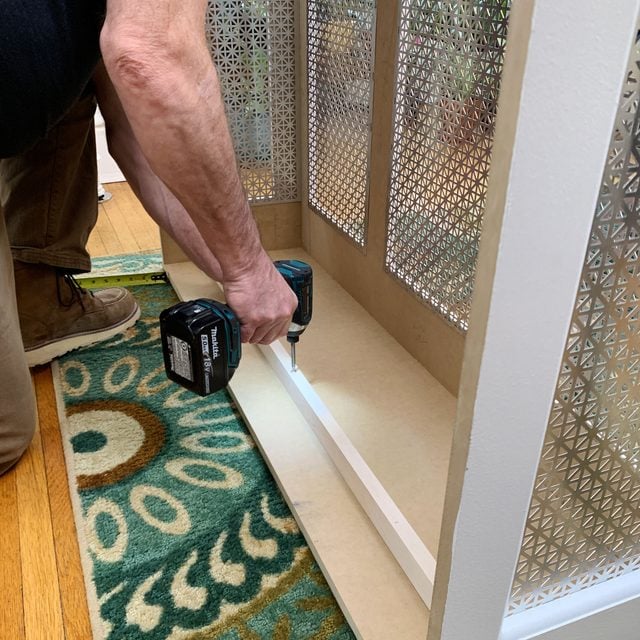
Call a pro when you see any of these situations.
- Odd shapes. Angled bays, pipe offsets, or sills that block standard boxes.
- Large radiators. Heavy covers need proper anchoring and safe lifting.
- Lead paint or brittle plaster. You need safe dust control and patching.
- Vent and valve access. You need service panels that line up and seal.
- Window and shade conflicts. The top and discharge slot must clear drapes.
- Pets and kids. You need rounded edges, tight mesh, and tip prevention.
- Finish matching. You want paint or stain that matches trim and cabinets.
Many homes need related fixes. See this guide on electrical and lighting fixes a handyman can do legally in NY if you plan to move a lamp, add cord management, or install protective cord channels near the cover.
If you plan to hire help, read how to choose the right handyman in Albany NY so you screen for insurance, experience, and clean work practices.
9. How radiator covers affect home value and resale appeal
- Safety signals trust. Buyers see a protected nursery or playroom and feel relief.
- Visual calm. Covers hide fins and valves and create clean lines that stage well.
- Added surface area. Tops add display space and help room layout.
- Perceived efficiency. Directed airflow feels warmer during showings.
- Move-in ready feel. Custom covers look built in and finished.
These small signals add up. They do not change appraised square footage. They do help your home stand out against bare radiators that look dated or risky.
10. Visual examples and comparisons
Infographic style walkthrough: Heat flow with and without a cover
Room air intake  ->  Under-cover gap  ->  Radiator fins  ->  Front grille discharge
     cool air            1 to 2 in            heats up               warm air into room
Safety chart
| Risk | Typical cause | Cover feature that helps |
|---|---|---|
| Hand burns | Contact with hot fins | Front grille, child safe mesh, deeper setback |
| Pet injuries | Rubbing hot iron | Smooth face, rounded corners, anchored base |
| Blocked heat | Clutter on fins | Top shelf, internal baffles, lift-off access |
| Valve damage | Accidental hits | Service panel door with guard |
| Tip hazard | Kids climbing | Wall anchors, low center of gravity |
11. Seasonal recommendations for Albany’s climate
Early fall setup
- Vacuum fins and floor under the radiator. Dust reduces heat transfer.
- Bleed hot water systems. Open bleed valves until air stops and water flows.
- Check steam vents. Replace vents that stick closed or hiss nonstop.
- Level radiators gently. Pitch steam radiators slightly toward the supply.
- Inspect valves and unions for leaks. Fix before installing a cover.
- Test clearances. Confirm 1 to 2 inch intake gap and discharge slot.
Mid winter care
- Keep the top discharge slot clear of books and plants.
- Listen for water hammer. Adjust pitch or vents if needed.
- Check child mesh and anchors. Tighten if loose.
Spring shutdown
- Remove the face panel. Vacuum dust that settled inside.
- Wipe with a damp cloth. Dry fully.
- Touch up paint or powder coat chips.
- Log any valve or vent service for summer.
12. Step-by-step checklist to evaluate your radiator cover needs
- Identify system type. Steam or hot water.
- Measure the radiator. Height, depth, and length. Add valve and pipe offsets.
- Note obstacles. Window sills, baseboards, outlets, or trim details.
- Set safety goals. Child mesh, rounded edges, anchors, service panels.
- Choose materials. Wood, metal, or hybrid with a stone or wood top.
- Plan airflow. Target 35 to 65 percent front open area. Add intake and discharge gaps.
- Select finish. Match trim color or choose a contrast tone.
- Choose access. Hinged top, lift-off front, or side panels for valves.
- Confirm clearances. Keep vents and valves usable without removal.
- Plan install. Find studs for anchors. Protect floors during work.
- Budget. Price materials, labor, and any patching or paint.
- Schedule. Install before the first cold snap.
13. Practical design tips for better comfort
- Use a slight front tilt on the top shelf. It directs warm air into the room.
- Choose perforated metal with 3 to 5 mm holes for child safety and airflow.
- Keep 2 to 3 inches from wall paint that softens under heat. Use a thermal spacer strip.
- Run felt or silicone pads under the cover base to cut vibration noise.
- Paint interiors with a light color. It helps you see dust and leaks during checks.
- Label service panels. Mark which valve sits behind each panel.
14. Cost ranges and value planning
- Basic painted wood cover: budget to mid range.
- Powder-coated steel cover: mid to higher range.
- Custom bay window bench with storage: higher range.
- Mesh upgrades, child guards, stone tops: add per option.
Pricing varies by size, finish, and install conditions. Good planning prevents rework and delays.
15. Common mistakes to avoid
- Blocking radiator vents. Your cover needs access and clear airflow.
- Making the front panel solid. You need open area to move heat.
- Placing curtains over the discharge slot. Keep fabric clear.
- Skipping anchors on tall covers. Secure the unit to studs.
- Using low-temp paint. Use cabinet-grade or heat tolerant finishes.
- Ignoring floor level. Shim to keep the cover stable and square.
16. Where a handyman albany ny can speed up the job
- Measure and template odd radiators fast.
- Build precise cutouts for valves and pipes.
- Anchor covers into plaster and lathe without damage.
- Match finishes to trim and cabinets.
- Install in tight rooms without scuffs or dust.
Use these services when you want clean edges, strong anchors, and a fit that looks built in.
17. Room-by-room recommendations
Nursery and playroom
- Fine mesh grille with 3 to 5 mm openings.
- Rounded corners and soft edges.
- Anchors into studs. No tip risk.
Living room
- Decorative grille pattern with at least 35 percent open area.
- Top shelf rated for decor. Keep the discharge slot open.
- Color match to trim or contrast for a furniture look.
Kitchen
- Powder-coated steel for easy cleaning.
- Oil tolerant finish. Wipe spills fast.
- Toe-kick intake with front grille discharge.
Entry and mudroom
- Metal face for durability.
- Shoe shelf on top if space allows.
- Drip tray or water resistant base if boots sit nearby.
18. Quick measuring guide
- Measure width from the farthest pipe edge to the opposite end of the radiator. Add 1 to 2 inches.
- Measure depth from the wall to the farthest front fin edge. Add 1 to 2 inches.
- Measure height to the top of the radiator or vent. Add 2 to 4 inches for airflow and a top shelf.
- Map valve and vent positions. Note left or right and distance from the floor.
- Check for outlets or sills that conflict with the top or sides.
19. Maintenance checklist for covered radiators
- Season start: vacuum fins and interior.
- Monthly: confirm anchors feel tight and the cover sits level.
- Mid season: open service panels and test valves and vents.
- Season end: wipe surfaces, touch up paint, check for leaks or rust.
20. Project timeline you can use
- Week 1: Measurements, design, and budget sign-off.
- Week 2 to 3: Fabrication and finish work.
- Week 4: Install, anchors, and final cleanup.
Smaller covers can install sooner. Plan early in the fall to avoid cold day delays.
21. Simple room heat check after install
- Run heat for 30 minutes with doors closed.
- Use a simple room thermometer. Place it at seating height.
- Check comfort near windows and the center of the room.
- Adjust the discharge slot or add a small deflector if needed.
Good covers will keep the room even. They will not fix boiler or vent sizing issues. They will improve safety and comfort at the radiator.
22. Add-ons that pair well with covers
- Thermostatic radiator valves for hot water systems. Keep the room steady.
- Quiet vent upgrades for steam. Reduce hiss and balance rooms.
- Cord management near the cover. Keep lamps and devices tidy. See legal task ideas in the electrical and lighting fixes guide.
23. Budget planning template
| Item | Scope | Notes |
|---|---|---|
| Materials | Panels, grille, top, anchors, finish | Choose durable finishes for kid and pet zones |
| Labor | Measure, fabricate, install | Complex bays or alcoves add time |
| Access features | Hinges, lift-off face, service doors | Plan for vents and valves |
| Anchors | Wall fasteners and shims | Needed for safety and stability |
| Contingency | 5 to 10 percent | Cover unforeseen patch or paint |
24. Why custom often wins for Albany housing stock
- Older trim and sills vary. Custom covers work around them cleanly.
- Walls can bow. Custom scribing closes gaps and blocks drafts.
- Radiators sit in odd nooks. Custom panels make them look built in.
- Buyers notice the fit. Tight seams look professional and durable.
25. Quick reference: pros and cons summary
| Choice | Pros | Cons | Best for |
|---|---|---|---|
| Custom wood | Matches trim, warm look, flexible | Needs careful sealing | Living spaces, historic homes |
| Custom metal | Durable, slim, kid and pet tough | Limited stain options | Rentals, high traffic rooms |
| Store-bought | Fast, lower upfront cost | Gaps, airflow limits, basic look | Temporary use, small radiators |
26. Your next steps
- Walk each room. List radiators that need covers.
- Take measurements and photos.
- Decide on materials and finish for each space.
- Set safety features by room use.
- Price options. Balance function, style, and budget.
- Schedule install before the first deep freeze.
27. Where to get help from a trusted handyman albany ny
A skilled local pro can measure, design, and install covers that fit your home. You get fast turnaround, clean work, and a safe result.
Conclusion
Custom radiator covers and safety grilles reduce burns, protect kids and pets, and improve comfort in Albany homes. The right design maintains airflow, adds shelf space, and upgrades style. You can choose wood or metal to match each room. You can set child safe mesh, rounded edges, and secure anchors for peace of mind. You can increase buyer confidence with a clean, built-in look.
Ready to measure, design, and install covers that fit your rooms and budget? Local Handyman Repair builds safe, durable covers and installs them with care. Start with one room, then finish the rest before winter.

https://shorturl.fm/7mUYb
https://shorturl.fm/ugK74
https://shorturl.fm/hHUE4