
Why Attic Insulation and Air-Sealing Are Critical for Albany Homes
Introduction
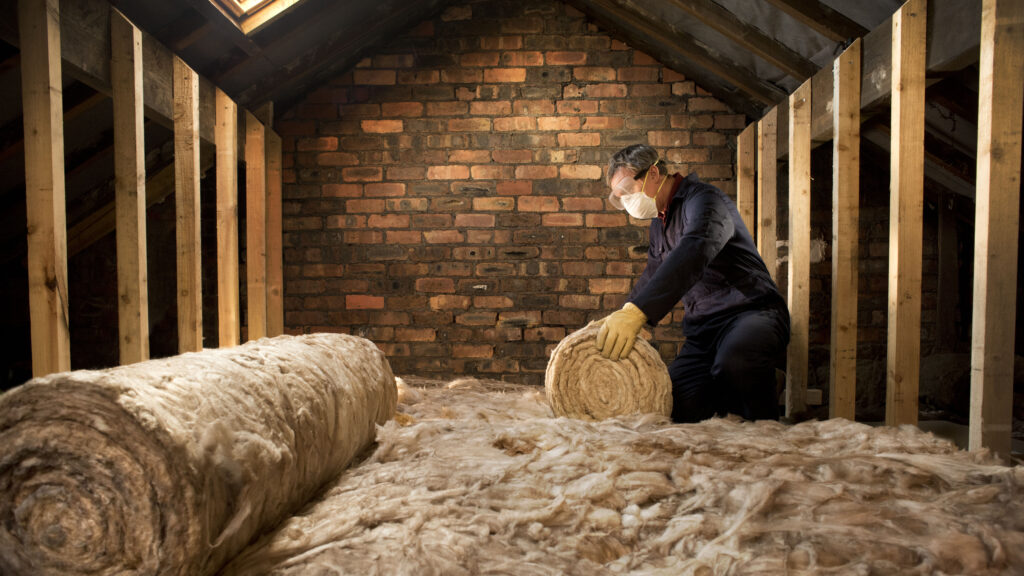
Albany winters hit hard. When your attic leaks air or holds too little insulation, your furnace runs more, your bills climb, and rooms never feel even. The fix is not guesswork. You need a clear plan to air-seal first, then set the right insulation depth for our climate.
You also need a local crew that understands the area’s housing stock, from century-old colonials to mid-century ranches. Local Handyman Repair has helped many homeowners solve persistent drafts, ice dams, and uneven temperatures by addressing the attic, the biggest source of energy loss in most homes with Handyman Albany NY help!
Why Attic Insulation and Air-Sealing Matter in Albany
Heat rises. In winter, warm indoor air pushes toward the attic. If the attic has gaps, that warm air escapes into the roof assembly and then to the outdoors. Insulation slows heat flow. Air-sealing blocks the leaks that allow conditioned air to escape and unfiltered air to enter. You need both. If you add insulation without sealing, the insulation can trap moist air, reduce effectiveness, and still allow costly drafts.
Albany and Upstate NY sit in a cold climate zone. Attics should typically reach R49 to R60. Many homes in the area have R11 to R30 or less. That shortfall matters. The difference between R30 and R49 is significant. It directly affects your heating load, comfort, and system wear.
How Poor Insulation Affects Albany Homes

- Cold bedrooms over the garage or on the second floor
- Ice dams along the eaves after snow
- Persistent drafts, especially near ceiling penetrations and attic hatches
- High and unpredictable heating bills
- Uneven heat by room, even with a tuned furnace
- Moisture issues on roof sheathing and rafters
These problems stem from heat escaping through weak spots. Most of those weak spots are at the top of the home. Air-sealing and insulation top-offs remove the source, not just the symptom.
Energy Loss and Higher Utility Bills
The attic is usually the largest single driver of heat loss. Even a small gap can move a lot of air when the temperature difference is large. That stack effect is strongest in winter. It pulls warm air out the top and sucks cold air in from the bottom. Your heating system must replace that lost heat. That costs money.
Here is a simple view of energy loss in an underinsulated Albany home. Your percentages will differ, but the attic is often the biggest slice.
| Area | Typical Share of Heat Loss | Primary Cause |
|---|---|---|
| Attic and Roof | 25% to 40% | Low R-value, air leaks, poor ventilation |
| Walls | 20% to 30% | Insulation gaps, old framing |
| Windows and Doors | 10% to 20% | Air leaks, single-pane or old seals |
| Basement and Rim Joists | 10% to 20% | Air infiltration, uninsulated assemblies |
| Ductwork | 5% to 15% | Leaks, uninsulated runs in cold spaces |
A tight, well-insulated attic lowers your heat loss at the top, which reduces drafts at floor level. You feel warmer at lower thermostat settings. That saves energy. It also protects your HVAC from constant cycling.
Drafts, Moisture, and Indoor Air Quality
Air-sealing improves comfort. It also helps control moisture. Moist indoor air from bathrooms, kitchens, and living spaces can rise into the attic through cracks around light fixtures, plumbing stacks, and chases. In winter, that moisture condenses on cold surfaces. Over time, this can stain drywall, support mold growth, and damage roof sheathing.
Ice dams form when heat escapes into the roof deck, melts snow, and refreezes at the eaves. You get dams of ice that can back water under shingles. Air-sealing the ceiling plane and insulating to the right R-value reduce heat flow to the roof. Proper attic ventilation moves moisture out while keeping the insulation dry.
Indoor air quality improves when outside air enters in a controlled way through designed ventilation, not through attic leaks. Sealing reduces dusty air from the attic and keeps insulation fibers where they belong.
Common Signs You Need an Insulation Top-Off
- You can see your joists across most of the attic floor. That usually signals low coverage.
- Insulation looks uneven, matted, or dirty. Dirt often marks air pathways.
- Ice dams or icicles along the roof edge after snowstorms.
- Second floor is colder than the first floor.
- Rooms under the attic feel drafty or noisy on windy days.
- Seasonal condensation on roof nails or sheathing.
- High gas or electric bills compared to similar homes.
Insulation Types and R-Value Targets
Focus on total R-value and proper air-sealing. Choose materials based on access, budget, and goals.
| Material | Approx. R per Inch | Best Use | Notes |
|---|---|---|---|
| Blown Cellulose | R-3.2 to R-3.8 | Open attic floors | Good coverage, dense, reduces air movement within the blanket |
| Fiberglass Blown | R-2.5 to R-3.2 | Open attic floors | Fast install, watch for wind washing near eaves |
| Fiberglass Batts | R-3.0 to R-3.4 | Open joist bays | Must be well-fitted, seams can leak air |
| Open-Cell Spray Foam | R-3.5 to R-4.0 | Roof deck or tricky cavities | Air barrier when thick enough, vapor-permeable |
| Closed-Cell Spray Foam | R-6.0 to R-7.0 | Rim joists, small areas, roof assemblies | High R per inch, air and vapor control |
For Albany attics, plan for R49 to R60 in the ceiling plane. That could mean 14 to 18 inches of loose-fill cellulose or fiberglass depending on density. Always air-seal first, then blow insulation to the right depth. Add baffles at the eaves to keep soffit ventilation clear.
Seasonal Priority for Albany Winters
Before the first hard freeze, address the attic. A fall inspection and tune-up prevent winter drafts and ice dams. Use a simple seasonal plan and stay ahead of the weather. This checklist helps you schedule work at the right time for the best payoff. See the Albany NY seasonal home maintenance checklist to plan your pre-winter tasks.
If you prefer learning by topic, browse recent how-tos and local tips in the company blog. You can scan posts about insulation, air-sealing, and winter prep. Visit the blogs page for more guidance.
Cost-Saving Benefits of Upgraded Insulation
Insulation is a one-time upgrade with a long tail of savings. You spend once, then save every heating season. Air-sealing boosts those savings because it stops the uncontrolled air exchange that wastes energy.
Here is an example for a typical Albany home:
- Existing attic: R19 batts, visible gaps around penetrations.
- Upgrade: Seal top plates, chases, and fixtures. Add baffles. Blow cellulose to reach R60.
- Result: Lower heat loss at the top, reduced drafts, more even temperatures.
Expected benefits:
- Heating bill reduction in the 10 to 30 percent range, depending on starting point.
- Less runtime on the furnace or boiler, which reduces wear.
- Lower risk of ice dams, which protects the roof and gutters.
Comfort improves too. Rooms stabilize. Thermostat wars end. The home feels quieter. These comfort gains matter as much as the dollars.
Key Air-Leak Locations You Must Seal First
Insulation does not stop air leaks. You must seal the holes and cracks at the ceiling plane. Focus on these locations before you add insulation.
- Recessed lights and electrical boxes
- Plumbing stacks and vent penetrations
- Chimney and flue chases, with proper clearances
- Open wall tops and dropped soffits over kitchens and baths
- Attic access doors and hatches
- Duct penetrations, bath fans, and exhaust terminations
Use approved sealants and appropriate fire-safe materials around flues and chimneys. Install weatherstripping and insulation on the attic hatch. After sealing, recheck with a smoke pencil or a blower door test if available.
Ventilation, Moisture, and Ice Dams
Balance airflow in the attic. Keep soffit vents open with baffles. Match ridge ventilation to the soffit intake. Do not exhaust bath fans into the attic. Run them to the exterior and seal the duct penetrations.
Signs of ventilation trouble include frost on nails in winter, musty odors, or mold on sheathing. Add ventilation only after sealing the ceiling and setting proper insulation levels. Ventilation does not fix heat leaks. It helps remove incidental moisture and maintain a cold roof deck, which reduces ice dam risk.
Attic Safety and Code Considerations
- Maintain clearances to combustibles around chimneys and flues.
- Use insulation dams around can lights unless rated IC and airtight.
- Install baffles at eaves to preserve airflow.
- Ensure bath and kitchen fans vent outdoors.
- Do not block soffits or gable vents with insulation.
- Use air-sealing materials rated for the application and temperature.
Safety comes first. If anything looks uncertain, stop and get a professional opinion.
Step-by-Step: How to Inspect Your Attic Insulation
You can do a basic inspection in one hour. Use protective gear. Work on a stable platform. Avoid stepping through the ceiling.
- Prepare. Wear gloves, eye protection, a dust mask or respirator, and knee pads. Bring a light, tape measure, and a camera.
- Access safely. Set a stable ladder. Secure the hatch. Watch for exposed nails overhead.
- Check insulation depth. Measure in several spots. Note the lowest and highest points. Compare to what you need for R49 to R60.
- Look for gaps. Find bare areas, thin spots near eaves, and wind-washed insulation.
- Inspect air-leak sites. Check around lights, fans, plumbing penetrations, and the hatch. Look for darkened insulation, which often marks air paths.
- Check ventilation. Confirm that soffit vents are open and baffles are in place. Look for daylight at the eaves and clear paths to the ridge or gable vents.
- Scan for moisture. Look for staining on sheathing, frost on nails in cold weather, or musty odors.
- Examine wiring and fixtures. Note any non-IC rated can lights or unsafe wiring that could need a licensed electrician.
- Document. Take photos and mark measurements. Create a list of air-sealing targets and areas that need top-off.
- Plan the sequence. Air-seal first. Install baffles. Then add insulation to the required depth.
DIY or Pro Upgrade: What Makes Sense
Blown insulation and air-sealing can be a DIY job if the attic is open and clear, the wiring is safe, and you are comfortable working in tight spaces. You will need a blower, material, sealants, and time. If the attic has complex penetrations, hidden chases, or prior ice dam damage, bring in a pro to avoid mistakes and callbacks.
Pros use blower door tests, infrared cameras, and smoke tools to find hidden leaks. They also know clearance rules around heat sources, how to detail the hatch, and how to keep ventilation working after the upgrade.
When to Hire a Pro: handyman albany ny
Call a trusted handyman albany ny if you see any of these:
- Ice dams that return each winter
- Moisture or mold on roof sheathing
- Complex rooflines, cathedral ceilings, or kneewall spaces
- Knob-and-tube or uncertain wiring
- Multiple recessed lights, flues, or large open chases
- Uneven temperatures after prior upgrades
A seasoned pro will assess, seal, and insulate in the right order. You get a tested result. A handyman albany ny can also integrate attic work with other seasonal tasks, from weatherstripping to gutter care, so your home works as a system.
Simple Project Roadmap
- Initial inspection and measurements
- Seal the big holes first, then the small cracks
- Detail the attic hatch with a rigid cover and weatherstripping
- Install baffles and protect soffit ventilation
- Set rulers or depth markers for blown insulation
- Blow insulation to target depth with even coverage
- Final check for ventilation balance and bath fan routing
- Optional blower door test for verification
Budgeting and ROI in Albany
Costs vary by attic size, access, and scope of sealing. Attic-only projects often pay back faster than window replacements or major mechanical changes. The reason is simple. You are fixing the largest and most cost-effective leak in the building shell. Add the comfort gains and ice dam prevention, and the value rises further.
Ways to control costs:
- Combine attic work with other seasonal tasks to reduce mobilization time.
- Seal first, then add insulation. Sealing improves the performance of every inch of insulation.
- Focus on the worst leaks. Chases and hatches offer big wins.
- Use proper ventilation details to avoid future repairs.
Visual Guide: R-Values and Depth
Use this table to estimate approximate depths to reach common targets. Always verify the product’s stated R per inch.
| Material | Approx. R per Inch | Depth for R49 | Depth for R60 |
|---|---|---|---|
| Cellulose, loose-fill | 3.5 | 14 in | 17 in |
| Fiberglass, loose-fill | 2.8 | 17.5 in | 21.5 in |
| Fiberglass batts | 3.2 | 15.5 in | 18.75 in |
| Closed-cell spray foam | 6.5 | 7.5 in | 9.25 in |
Infographic idea you can use: show a simple house cross-section with arrows indicating air leakage points, then overlay the recommended sealing and insulation upgrades. Add a small bar chart comparing estimated monthly heating costs before and after an attic top-off at R60.
Preventing Common Mistakes
- Do not add insulation over active leaks. Seal first.
- Do not block soffit vents. Install baffles before blowing insulation.
- Do not leave bath fans exhausting into the attic. Vent outside.
- Do not cover non-IC rated recessed lights. Use proper covers or rework the fixture.
- Do not compress batts. Compression reduces R-value.
- Do not skip the attic hatch. Insulate and weatherstrip it.
Maintenance After the Upgrade
Once the attic is sealed and insulated, plan quick checks each season.
- Look at eaves and roof edges after the first snow for ice dam signs.
- Confirm bath fans still move air and vent outside.
- Check the attic after extreme temperature swings for condensation or frost.
- Keep gutters clear to help manage roof drainage.
For a complete seasonal plan, use the local checklist that fits our weather. Refer to the Albany seasonal maintenance checklist before each winter and during spring thaw.
FAQs
How do I know if I have enough insulation?
Measure depth in several spots. If you can see joists across the attic, you likely need more. Albany homes benefit from R49 to R60 in the attic. That can mean 14 to 21 inches depending on material.
Is air-sealing really necessary if I add more insulation?
Yes. Insulation slows heat flow. It does not stop air leakage. Air-sealing improves insulation performance and prevents moisture problems.
What causes ice dams on my roof?
Heat from inside melts snow on the roof. Water runs to the cold eaves and freezes. Sealing leaks and insulating the attic reduce roof heat, which lowers ice dam risk. Balanced ventilation also helps.
Which insulation is best for my attic?
For open attics, blown cellulose or fiberglass works well. Spray foam can be best for complex areas, rim joists, or when creating a conditioned attic. Choose based on access, goals, and budget.
Can I do this project myself?
Simple top-offs can be DIY if you are careful and the attic is straightforward. If you have ice dams, moisture, complex rooflines, or safety issues, hire a pro.
How long does an attic upgrade take?
Most projects take one day for sealing and one day for insulation for typical homes. Complex air-sealing can add time.
Will attic work reduce summer heat too?
Yes. Proper insulation and sealing reduce heat gain in summer, which helps your cooling system and improves comfort on the upper floors.
Conclusion
A tight, well-insulated attic is the simplest way to cut bills, stabilize room temperatures, and protect your roof in Albany. Seal the ceiling plane. Vent correctly. Then add insulation to reach R49 to R60. The result is a warmer, drier, quieter home that costs less to run.
If you want a thorough assessment and a clean, code-aware install, work with a local expert who knows our housing and weather patterns. Schedule a visit with Local Handyman Repair to review your attic, plan the right sequence, and get lasting results.

https://shorturl.fm/LCVzy
https://shorturl.fm/j3A4A
https://shorturl.fm/oK8ix
https://shorturl.fm/z9fEj
https://shorturl.fm/HoSb9
https://shorturl.fm/8WQQO
https://shorturl.fm/gTDHG
https://shorturl.fm/5gJ5Q
https://shorturl.fm/dW50h
https://shorturl.fm/6wjHM
I appreciate how organized bedpage feels when searching for services. The section for Erotic massage in Las Vegas contained helpful and transparent descriptions. Communication was timely and respectful. The service delivered met expectations. bedpage makes browsing easy and comfortable. I will confidently return to bedpage.
Visitors often highlight escorttime as a trusted source for quality escort listings. The page dedicated to Nuru Massage in Los Angeles simplifies browsing with clear organization. Each listing includes useful information for confident selection. The platform feels secure and thoughtfully arranged. escorttime maintains professional standards throughout. Overall it delivers reliability and quality for discerning clients seeking refined services.