
Garage, Closet and Mudroom Upgrades That Actually Add Space
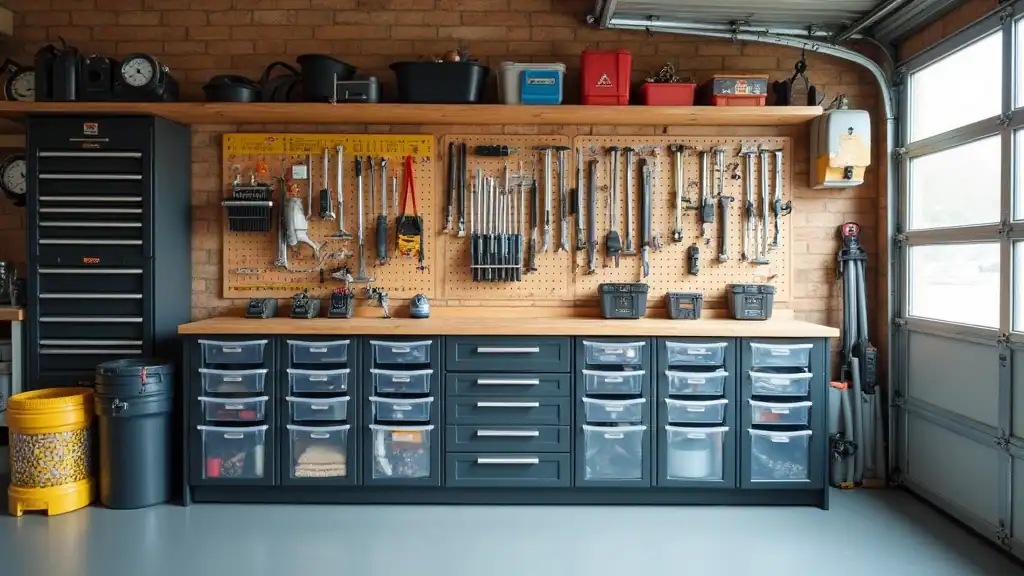
Upstate New York homes carry a lot of gear. Snow blowers, skis, hockey bags, contractor tools, strollers, and bulk supplies swallow floor space fast. Smart storage upgrades solve that. This guide shows Albany and nearby homeowners how to turn garages, closets, and mudrooms into high-capacity, safe, and tidy spaces. You will see proven layouts, cost ranges, and a planning checklist you can use today. If you want a local pro to assess and build the right solution, Local Handyman Repair serves Albany and surrounding towns.
Homeowners in Saratoga County often look for practical help when storage needs outgrow the space they have. Working with pros who specialize in clifton park handyman services gives you access to safe installs, sturdy materials, and layouts that match how your family actually uses each room. Local crews understand the mud, salt, and freeze-thaw cycles that impact cabinets, shelving, and wall systems, so your upgrades last through every season.
The right plan makes a small garage hold a car plus four seasons of gear. It turns a tight closet into a five-minute morning routine. It contains winter mess at the door. You will learn which materials stand up to road salt, slush, and summer humidity. You will also learn when working with a home storage handyman saves you time, prevents damage, and delivers better capacity.
Why Storage Upgrades Matter

Storage is not just about looks. In Albany and the Capital Region, smart storage protects your home, saves time, and improves safety.
- Safety. Secure racking and cabinets keep sharp tools and chemicals away from kids and pets. Off-floor storage reduces trip hazards.
- Space recovery. Vertical systems free 30 to 50 square feet in many single-car garages. That often makes room for your car again.
- Faster routines. A labeled mudroom zone shortens winter exits by several minutes per person. That adds hours back each month.
- Protection from weather. Salt, slush, and wet boots destroy drywall and subfloor. Durable mudroom finishes and drainage protect surfaces.
- Moisture control. Shelving that allows airflow reduces mold risk. Keeping items off the floor protects from minor puddles. For broader water management, keep gutters and downspouts clear. See this local guide on gutter cleaning and repair.
Top Storage Problems in Albany Homes
Every home type in the area tends to have its own storage pain points.
- Older bungalows and colonials. Narrow one-car garages and shallow closets. Little built-in storage.
- Split-levels and raised ranches. Limited entry space. Often no real mudroom. Family gear piles in a hall or kitchen corner.
- Townhomes. HOA limits on exterior sheds. Need to maximize interior closets and garage walls.
- Basements. Useful but humid. Wood shelves and cardboard boxes absorb moisture and sag. Flood risk near sump or hatchway.
- Winter gear volume. Bulky coats, snow pants, gloves, and boots for each person. Snowblower and shovels take floor space. Road salt damages floors and metal legs on cheap shelving.
- Multi-sport families. Bikes, sleds, skis, boards, and team bags need wall and ceiling solutions.
- Tools and DIY supplies. Paints, fuels, and chemicals need safe, ventilated, separated storage.
Strategic Garage Storage Ideas that Work
Start by zoning your garage. Assign walls and corners to specific categories. Keep heavy and seasonal items where they are safe and out of the way, and keep daily items in easy reach.
Plan Zones by Frequency and Weight
- Daily zone. Recyclables, dog leash, everyday tools, light step stool. Height between waist and eye level.
- Weekly zone. Sports gear, bike helmets, car wash supplies. Wall hooks and medium shelves.
- Seasonal zone. Holiday bins, camping gear, ski equipment. Overhead racks or top shelves.
- Heavy-duty zone. Air compressor, generator, bulk salt. Low shelves or floor-level platforms with anchors.
Use the Right Wall System
- Slatwall panels. Flexible hooks and baskets. Good for mixed gear. Use PVC or finished MDF rated for garages.
- Pegboard. Budget friendly for light tools. Use metal pegboard for durability and better load.
- Track systems. Horizontal steel rails with clip-in hooks for bikes and ladders. Easy to reconfigure.
Ceiling Storage for Seasonal Items
- Overhead racks. Mount into joists, not drywall. Keep loads balanced. Store labeled plastic bins only.
- Hoists. Kayaks and cargo boxes lift to the ceiling. Check weight ratings and cable condition each season.
Cabinets vs Open Shelving
- Open shelving. Faster access. Good for bins and tools. Use steel or industrial-grade resin to resist salt and moisture.
- Cabinets with doors. Better for chemicals and paints. Keeps dust off items. Lockable units add safety.
Workbench That Fits Small Garages
- Fold-down bench. Hinges from wall. Add gas struts for easy lift. Ideal for one-car garages.
- Mobile workbench. Lockable casters. Rolls aside for car parking.
Bike and Tool Storage That Lasts
- Vertical bike racks. Stagger hooks to fit more in less width. Keep at least 16 inches between tire centers.
- Floor stands for kids. Simple to park bikes without lifting.
- Magnetic tool strips and modular bins. Keep hand tools visible and safe from moisture.
Example Garage Layouts
- One-car garage target. Park the car. Use driver side for a 16 inch deep open shelf run. Passenger side gets slatwall for brooms, shovels, and sports. Back wall holds a 48 inch fold-down bench. Ceiling gets two 4×8 racks over the hood and trunk areas.
- Two-car garage target. Dedicated sports wall with slatwall and hooks. One bay for a tall cabinet set. Overhead racks above the perimeter. Leave a clear 36 inch walkway from house entry to driveway.
Garage Storage Systems and Costs in Upstate NY
| System | Typical Load Rating | Installed Cost Range | Best Use | Notes |
|---|---|---|---|---|
| Steel open shelving, 18–24 in deep | 200–600 lb per shelf | $250–$700 per run | Bins, tools, bulk goods | Resists salt and humidity better than wood |
| Slatwall panel with hooks | Varies by hook, often 25–75 lb | $400–$1,200 per wall | Mixed gear, flexible layout | Check fire rating near house entry wall |
| Metal pegboard | 20–100 lb per hook | $150–$500 per panel set | Hand tools, small parts | Better than MDF in damp garages |
| Overhead ceiling racks 4×8 | 300–600 lb total | $300–$800 each installed | Seasonal bins, light bulky items | Anchor into joists, keep clear of open garage door |
| Garage cabinets, wall-mounted | 150–300 lb per cabinet | $900–$2,500 per run | Paints, chemicals, valuables | Use locking doors, mount to studs |
| Custom plywood built-ins | Designed to need | $1,500–$5,000 per wall | Odd spaces, maximum capacity | Seal edges against moisture |
A home storage handyman can combine these systems to match your wall framing, joist spacing, and the way your family uses the garage. That usually yields more capacity with better safety than piecing kits together.
Closet Upgrades that Save Space and Time

Closets fail when they have one shelf and one rod. The fix is simple. Double-hang where clothes allow, add mid-height shelves, and use drawers for small items. Plan for your exact wardrobe and the reach of all users.
Reach-In Closets
- Double-hang zone. Two rods at 40 and 80 inches give twice the capacity for shirts, pants on hangers, and kids clothing.
- Single-hang with shelf. Reserve a 60–66 inch rod section for dresses or long coats.
- Shoe shelves. 10–12 inch deep shelves hold most shoes. Angle slightly for visibility.
- Drawers or baskets. 18–24 inch wide stack for socks, tees, and gym gear. Mesh baskets allow airflow.
- Top shelf. Full width at 84–96 inches for luggage and seasonal bins.
Walk-In Closets
- Perimeter first. Use all walls before adding islands. Maintain a 36 inch clear walkway.
- Mix hang zones. Include a 24–30 inch section for long items. Balance double-hang on the rest.
- Drawer tower. Central stack at 30–36 inch width with a countertop for folding and staging.
- Accessories. Pull-out tie rack, belt rack, valet bar, and tilt-out hampers to keep floors clear.
Material Choices for Albany Conditions
- Melamine closet systems. Clean look and budget friendly. Use moisture-resistant board when near bathrooms.
- Plywood with edge banding. Strong and repairable. Good for custom builds.
- Wire shelving. Airy and affordable. Use shelf liners for small items. Avoid for heels if gaps cause tipping.
Closet Capacity Gains
| Closet Type | Baseline | Upgrade | Typical Capacity Increase |
|---|---|---|---|
| Reach-in, 6 feet wide | Single rod, single shelf | Double-hang plus shoe and drawer stack | 60–100 percent more hanging space |
| Walk-in, 8×8 feet | Mixed ad hoc racks | Perimeter double-hang, long-hang, drawer tower | 40–70 percent more overall storage |
| Linen closet, 30 inches wide | 3 deep shelves | 5 adjustable shelves at 12–14 inch spacing | 30–50 percent more usable space |
Real Mudroom Solutions for Busy NY Families
Albany winters are wet and gritty. A good mudroom contains salt and water, speeds exits, and saves your floors.
Design a Cleanable Drop Zone
- Flooring. Porcelain tile or LVP with tight seams. Use dark grout to hide salt stains.
- Boot tray and drain mat. Keep meltwater off floors. Choose trays with a lip at least 1 inch high.
- Wall protection. Wainscot panels or washable paint. Add corner guards where bags hit.
- Ventilation. A quiet bath fan or nearby return helps dry boots and coats faster.
Lockers, Benches, and Hooks
- Bench height. 17–19 inches high. Depth 16–18 inches for adult comfort.
- Open cubbies vs doors. Open cubbies are faster for kids. Doors hide visual clutter.
- Hooks. Mount two rows. Adults at 66–68 inches. Kids at 42–48 inches.
- Overhead shelf. 12–14 inches deep for hats and labeled bins.
Mudroom Dimensions That Work
| Feature | Recommended Size | Notes |
|---|---|---|
| Bench | 48–72 inches wide, 17–19 inches high, 16–18 inches deep | Size up for 3–5 users |
| Individual locker | 12–18 inches wide | Wider for bulky winter coats |
| Walkway clearance | 36 inches minimum | Keep doors clear for safety |
| Shoe storage | 12–14 inch deep shelves | Leave 8–9 inches vertical per shelf |
Pets and Laundry Integration
- Pet zone. Add a low drawer for leashes and bags. Place a hook near the door for quick access.
- Laundry. If near the garage entry, add a sorter, a hanging rod, and a drip tray for wet gear.
When Hiring a home storage handyman is Worth It
DIY can work for light shelving and simple hooks. Hire a pro when safety, structure, or finish quality matter. Here is when it pays to bring in help.
- Heavy loads. Overhead racks and tall cabinets require correct anchors and joist mapping. A pro knows local framing patterns and fastener specs.
- Masonry or block walls. Proper anchors and moisture isolation prevent spalling and rust.
- Custom fits. Odd niches and sloped floors need scribing and leveling for safe built-ins.
- Doors and electrical nearby. Code requires clearance around panels and proper fire separation at the garage entry.
- Time savings. A skilled team completes a garage wall in hours, not weekends. That keeps your car inside and your tools safe sooner.
Not sure how to vet a contractor. Start here: How to choose the right handyman in Albany NY. Use that checklist to compare insurance, references, and scope.
For a balanced plan that combines off-the-shelf systems with custom carpentry, a home storage handyman often delivers the most capacity per dollar. They source hardware that matches your loads and finish it to resist local salt and humidity.
Storage Mistakes to Avoid
- Anchoring heavy racks to drywall only. Always fasten to studs or joists and follow weight ratings.
- Storing fuel and chemicals near a furnace or water heater. Keep flammables in sealed, ventilated cabinets away from open flames.
- Putting wood shelves in a damp basement without sealing. Use metal or sealed plywood with a gap off the floor.
- Buying deep shelves for small items. Too-deep shelves hide items and waste space. Use 12–16 inch depths for most homes.
- Stacking bins without labels. Use clear bins or large labels on two sides and the lid.
- Blocking electrical panels and shutoffs. Keep 36 inches clear in front and 30 inches wide.
- Ignoring snow melt paths. Leave a drip-safe area near the door. Use mats and trays to protect flooring.
- Hanging bikes over car doors. Plan hook locations to avoid dings when doors open.
- Skipping moisture management. Poor gutters and downspouts lead to water in garages and basements. Address drainage with routine gutter cleaning.
Step-by-Step Checklist to Plan a Storage Upgrade
Use this checklist to plan a garage, closet, or mudroom upgrade. Print it and work through each step.
1. Define Goals
- [ ] What has to fit. List all items by category with rough sizes and weights.
- [ ] Must-keep vs donate. Reduce volume before you design.
- [ ] Daily, weekly, seasonal frequency for each category.
2. Measure the Space
- [ ] Wall widths and heights. Note obstacles like doors, steps, and panels.
- [ ] Ceiling height and joist direction for racks.
- [ ] Floor slope and any drains.
3. Choose Systems
- [ ] Wall system. Slatwall, pegboard, track, or a mix.
- [ ] Shelving and cabinets. Match depth to items. Choose lockable doors for chemicals.
- [ ] Overhead racks. Plan bin sizes and weight per rack.
- [ ] Closet components. Double-hang sections, drawers, and shoe storage.
- [ ] Mudroom. Bench, hooks, cubbies, trays, and ventilation.
4. Plan Layout
- [ ] Draw a simple plan to scale. Place zones by frequency and weight.
- [ ] Keep a 36 inch walkway and code clearances.
- [ ] Mark stud locations and joists for mounting.
5. Materials and Finishes
- [ ] Corrosion-resistant fasteners in garages and basements.
- [ ] Moisture-resistant boards where needed.
- [ ] Non-slip mats and boot trays in mud rooms.
6. Budget and Schedule
- [ ] Set a budget per area. Garage wall, closet, mudroom.
- [ ] Phase work. Start with the area that gives the biggest daily win.
- [ ] Order lead times. Check delivery dates for racks and cabinets.
7. Install and Label
- [ ] Pre-drill and use proper anchors. Confirm every fastener hits solid structure.
- [ ] Level and square each run. Shim where floors slope.
- [ ] Label bins on two sides and the lid.
8. Maintain
- [ ] Quarterly sweep and wipe salt residue.
- [ ] Winter and spring bin rotation.
- [ ] Annual safety check. Inspect anchors, cables, and racks.
Long-Term Value of Built-in Storage
Built-in storage increases daily usability and supports resale. Buyers in Albany look for a clean garage with clear parking, a real drop zone at the entry, and closets that feel organized.
Resale Signals Buyers Notice
- Garage that fits a car plus storage. A clear, organized garage suggests a well-cared-for home.
- Mudroom with bench and hooks. Families see faster mornings and less mess.
- Closets with double-hang and drawers. Space looks bigger and more valuable.
Estimated Returns
- Garage wall storage and overhead racks. Often recovers 50–70 percent of cost at resale, higher if it converts a cluttered garage into a real parking spot.
- Mudroom built-ins. Strong appeal in Upstate NY. Expect faster offers and better first impressions.
- Closet systems. Modest linear cost with high daily value and good buyer response.
Care and Durability Tips
- Seal or paint edges of plywood in garages to resist humidity.
- Use stainless or coated fasteners to avoid rust stains.
- Add felt pads or mats under salt-heavy areas. Clean trays often.
- Keep gutters clear to prevent water from pooling near entries and garage thresholds.
FAQs
How much does a typical garage storage upgrade cost in Albany
Most single-wall garage systems run $800 to $2,500 installed. Add $300 to $800 per overhead rack. Custom built-ins can raise totals to $3,000 to $6,000 for multi-wall solutions.
What is the best shelf depth for a small garage
Use 12–16 inch deep shelves for most items. Reserve 18–24 inches for bulky bins. Shallow shelves reduce item loss and door dings.
Can I hang racks from trusses in a garage with a finished ceiling
Yes, if you locate joists and use rated hardware. Avoid spanning only drywall. A professional will map joists with a stud finder and pilot drill to confirm structure.
What closet upgrades give the biggest daily benefit
Double-hang for shirts and pants, a shoe shelf stack, and a drawer tower. These cut morning time and keep floors clear.
How do I keep mudroom salt from ruining floors
Use a large tray with a 1 inch lip, a washable rug with a rubber back, and a fan or dehumidifier nearby. Clean trays weekly in winter.
Is wire shelving still a good choice
Yes for pantries and linens. Use shelf liners for small items. For closets with heels or small accessories, melamine or plywood shelves perform better.
Ready to turn plans into real space. Get a same-week assessment and a clear phased plan. Speak with Local Handyman Repair and get started with a layout that fits your home and budget. If you want more capacity per square foot and a safe install, talk to a home storage handyman and schedule your upgrade.
