
Safety Meets Savings: Why Updating Smoke/CO Detectors and Thermostats Should Be Your Next clifton park handyman Upgrade
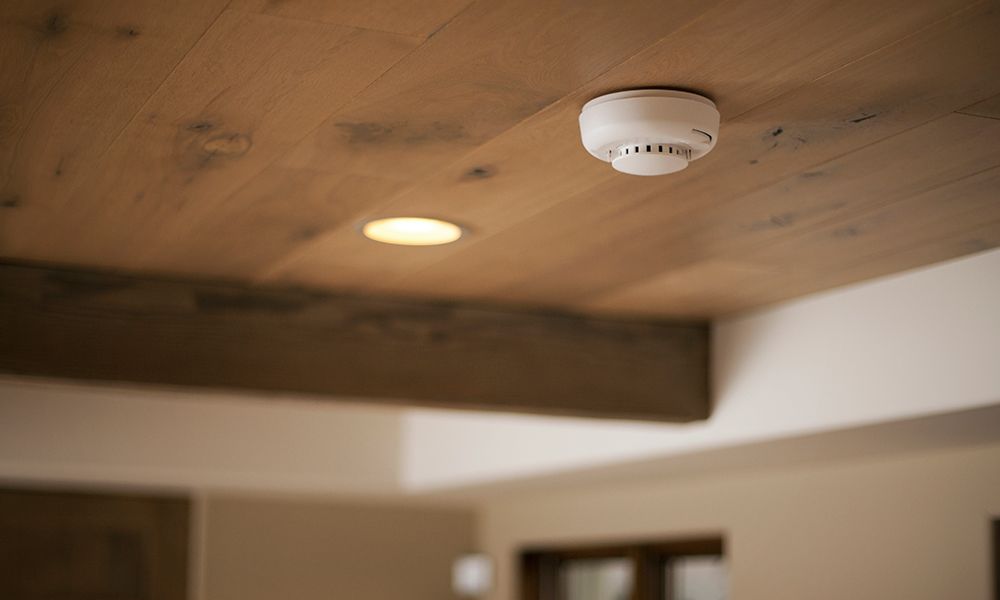
When you own a home in Clifton Park, you’re always walking the line between comfort, safety, and cost. Two small upgrades deliver outsized returns on all three: modern smoke/CO detectors and programmable or smart thermostats. They work silently in the background, yet they protect your family, help you comply with best practices, and often pay for themselves in energy savings.
If you’re unsure where to begin or which products make sense for your home’s age, size, and layout, you don’t have to go it alone. Vasiliy of Local Handyman Repair has helped Clifton Park homeowners replace outdated detectors and thermostats with safer, smarter solutions that fit real budgets and busy schedules.
This guide explains why these upgrades should be a top priority, what to look for in new devices, how to factor costs, and when to call a trusted clifton park handyman to handle installation and ongoing maintenance the right way.
Why Smart Safety Tech Upgrades Matter
Smoke and carbon monoxide (CO) detectors and thermostats are some of the most important—and most overlooked—devices in your home. When they’re outdated or incorrectly placed, you’re exposed to risks that are easy to avoid with today’s technology.
- Smoke/CO detectors save lives by providing early warnings, giving you time to act.
- Modern detectors greatly reduce nuisance alarms, so you don’t end up disabling them.
- Smart thermostats reduce energy waste and maintain consistent comfort automatically.
In short: detectors protect people, thermostats protect your wallet. Upgrading both at once compounds your benefits with one efficient service visit.
Common Myths About Detectors and Thermostats
- Myth: “If it chirps, it works.”
Reality: A chirp often means a low battery or end-of-life warning—not full functionality. - Myth: “Hardwired detectors never need replacement.”
Reality: Sensor elements can degrade over time. Replacement intervals still apply. - Myth: “I only need one CO detector near the furnace.”
Reality: CO can accumulate anywhere. Placement should cover each sleeping area and levels with fuel-burning appliances or garages. - Myth: “Programmable thermostats don’t save much.”
Reality: Even basic scheduling can cut energy consumption by 8–12% annually in many homes. - Myth: “Smart thermostats are complicated.”
Reality: Most models have guided setup, user-friendly apps, and can operate like a simple manual thermostat if you prefer.
What Makes Modern Detectors and Thermostats Better

Modern Smoke/CO Detectors: Safer, Smarter, Quieter
- Dual-sensor smoke detection: Photoelectric + ionization sensors help catch both slow smolders and fast-flame fires.
- Electrochemical CO sensors: More accurate CO detection with fewer false alarms.
- 10-year sealed batteries: No more 2 a.m. low-battery wake-ups or forgetting to replace AA cells.
- Interconnectivity: If one alarm sounds, they all sound—vital for larger or multi-level homes.
- Voice alerts & app notifications: Spoken alarms minimize confusion; smart models send alerts to your phone when you’re away.
- Hush features: Temporarily silences a nuisance alarm without disabling protection.
Modern Thermostats: Comfort That Pays You Back
- Learning algorithms: Adjust to your routines and weather patterns to reduce waste.
- Remote access: Control temps from your phone—great for travel or unpredictable schedules.
- Geofencing: Automatically set back temps when no one’s home and resume comfort as you return.
- Energy reports: Track usage, identify issues early, and optimize settings.
- Zoning compatibility: Coordinate with multi-zone systems for precise control (when applicable).
- HVAC health alerts: Some models flag filter changes or unusual runtimes that suggest a service need.
Benefits at a Glance: Smoke/CO vs Thermostat Upgrades
| Category | Smoke/CO Detectors | Thermostats |
|---|---|---|
| Primary Outcome | Life safety, early warning | Energy savings, comfort |
| Best Practice Lifespan | Replace typically every ~10 years (CO sensors often sooner) | Replace/upgrade every ~7–10 years as features evolve |
| Smart Features | Interconnect, app alerts, voice | Scheduling, learning, geofencing, reports |
| DIY Friendliness | Moderate; hardwired units require caution | Moderate; wiring and system compatibility matter |
| Typical Investment | $30–$180 per unit depending on features | $60–$300+ per device (smart models higher) |
| ROI Path | Peace of mind, risk reduction | Lower utility bills; payback often within 1–3 years |
Installation Tips and Cost Considerations
Placement Basics for Detectors
- Smoke detectors: On every level, inside each bedroom, and outside sleeping areas. Mount on ceilings or high on walls; avoid kitchens or bathrooms that create nuisance alarms.
- CO detectors: On every level with fuel-burning appliances, near bedrooms, and by attached garages. Follow manufacturer height guidance.
- Interconnection: Especially valuable in larger homes—one alarm triggers all.
- End-of-life planning: Mark installation dates so you can replace proactively.
Thermostat Compatibility and Siting
- Check your HVAC: Heat-only, cool-only, heat pump, multi-stage, boiler, or forced air? Compatibility dictates model choices.
- C-wire requirements: Many smart thermostats need a common wire for power; adapters exist, but a clean C-wire connection is best.
- Location matters: Avoid placing thermostats in direct sunlight, near drafts, or by heat sources; aim for central interior walls.
Typical Investment Ranges
- Smoke detectors: $30–$60 for reliable standard units; $70–$120 for combination smoke/CO; $120–$180 for smart/app-connected models.
- CO-only detectors: $30–$80 depending on features.
- Thermostats: $60–$120 for programmable non-smart; $150–$300+ for smart models with learning and geofencing.
- Professional installation: Varies with wiring complexity and number of units. Bundling detectors + thermostat often reduces overall labor cost.
Unsure which route to take? Talk to a trusted clifton park handyman to evaluate your home, recommend models, and install everything cleanly in one appointment.
When a clifton park handyman is the best solution
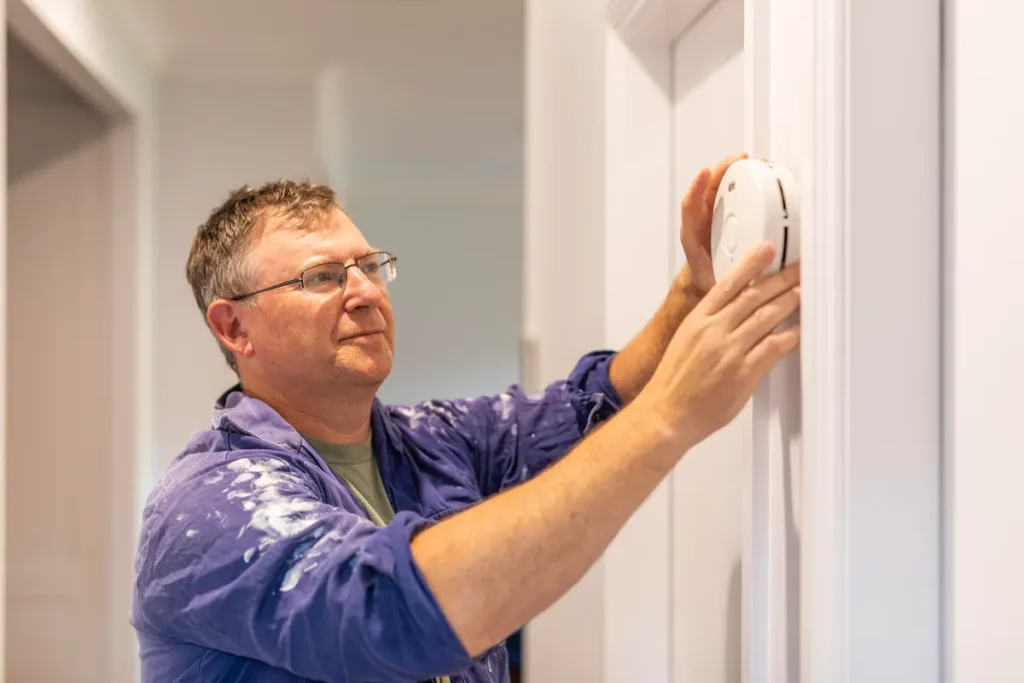
While some homeowners feel comfortable swapping a thermostat or a battery-only detector, there are many scenarios where a pro saves you time, frustration, and potential safety issues:
- Hardwired detectors: Working with household power and interconnects requires caution and electrical know-how.
- Multiple unit sync: Getting all detectors to interconnect correctly and labeling their locations for troubleshooting.
- No C-wire: Adding a clean common wire or choosing a compatible smart thermostat solution.
- System complexity: Heat pumps, multi-stage equipment, boilers with zone valves, or radiant systems.
- Placement optimization: Mapping detector locations to your floor plan for reliable coverage and fewer nuisance alarms.
- Bundle savings: A single visit to update all devices and test them reduces disruption and cost.
A skilled clifton park handyman can also walk you through app setup, create schedules that match your lifestyle, and show you how to test and maintain your new devices.
Vasiliy’s Streamlined Process for Safety-Focused Upgrades
- Listen & assess: Understand your goals, home layout, and HVAC system; note existing detector placements and ages.
- Recommend & quote: Present one or two clear options per device category—good/better/best—so you can decide confidently.
- Schedule & prepare: Consolidate the work into a single, efficient visit; bring all parts and materials to minimize disruption.
- Install with care: Replace detectors, label units and dates, set up interconnects, mount thermostats in the right locations, and manage wiring cleanly.
- Verify & educate: Test every device, review app features, set initial schedules, and show you how to perform simple monthly checks.
- Follow-up: Offer reminders for seasonal tests and filter changes, and remain available for questions.
Seasonal Inspection Checklist
Use this simple plan to keep your detectors and thermostat performing at their best. For a broader whole-home routine, see the Albany, NY Seasonal Home Maintenance Checklist.
Monthly
- Press “Test” on each smoke/CO detector; verify alarm sound and app notifications (if smart).
- Check thermostat temperature accuracy with a simple room thermometer.
- Confirm schedules are still aligned with your routines (work-from-home, school, etc.).
Seasonal (Spring/Fall)
- Vacuum detector vents with a soft brush to remove dust.
- Replace HVAC filters; set thermostat reminders for future changes.
- Update thermostat schedules for heating vs cooling seasons.
- Review detector manufacture dates; note upcoming end-of-life replacements.
Annual
- Replace any removable batteries (if not sealed 10-year) and test again.
- Validate interconnect function across all detectors.
- Review your energy report for savings opportunities and comfort tweaks.
Energy Savings Over Time: What to Expect
Every home is different, but many Clifton Park households see meaningful reductions in energy usage after installing a modern programmable or smart thermostat. The “graph” below shows a conservative example of potential savings on heating/cooling costs after an upgrade, assuming a typical annual HVAC spend of $1,800.
Energy Savings Illustration (Conservative Estimates)
Base annual HVAC spend: $1,800

Year 1: 8% savings  | ########        | $144
Year 2: 10% savings | ##########      | $180
Year 3: 12% savings | ############    | $216
Across three years, that’s roughly $540 total—more if your baseline usage is higher or if you further optimize schedules and insulation. Many smart thermostats also spotlight inefficiencies, such as a system that runs excessively or a clogged filter, helping prevent costly breakdowns.
Simple ROI Snapshot
| Item | Typical Cost | Estimated Annual Savings | Payback Window |
|---|---|---|---|
| Programmable Thermostat | $60–$120 | $100–$180 | 6–18 months |
| Smart Thermostat | $150–$300+ | $144–$250+ | 12–24 months |
| Smoke/CO Upgrades (per unit) | $70–$180 | Peace of mind (non-monetary) | Immediate safety benefit |
Combining device upgrades into one visit is typically more cost-effective. A knowledgeable clifton park handyman can recommend the right thermostat and detector mix to maximize both safety and savings.
Trend Insights: What Clifton Park Homeowners Are Choosing
- 10-year sealed detectors: Fewer battery hassles, better compliance with best practices.
- Dual-sensor smoke + electrochemical CO: One combo unit per location for cleaner looks and simplified maintenance.
- Smart thermostat with app + geofencing: Ideal for families with variable schedules; easy to monitor while traveling.
- Whole-home interconnect: Especially in multi-level and larger homes to ensure alarms are heard everywhere.
- Bundled upgrades: One appointment to handle all detectors and thermostat(s), then a guided setup walkthrough.
If you’re updating other small spaces for efficiency, check out this related read: Small Bathroom, Big Impact: The Handyman Albany NY Guide to Smart Upgrades. Even modest changes can add value and reduce utility costs.
Pro Tips for a Smooth Upgrade
For Detectors
- Record install dates: Write them on the unit and store a note on your phone.
- Standardize brands/models: Using the same brand across the home simplifies interconnection and future replacements.
- Avoid kitchens and bathrooms: Steam and cooking aerosols cause nuisance alarms; place units nearby, not in these rooms.
- Test monthly: Make it a habit; it takes less than a minute.
For Thermostats
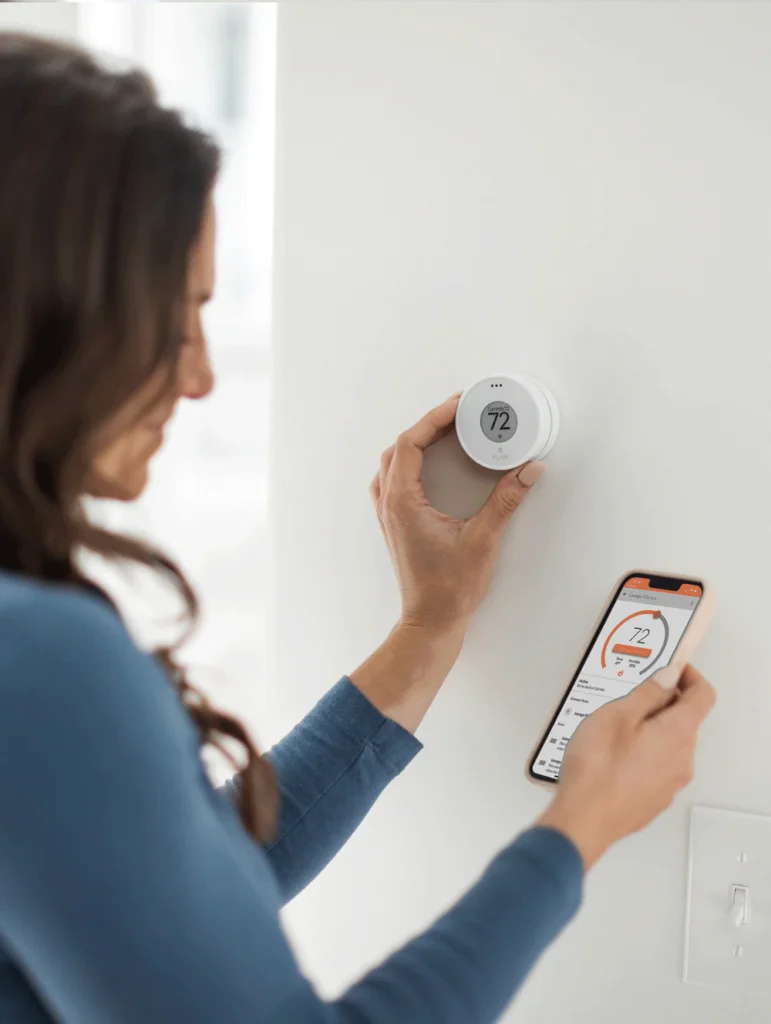
- Enable away modes: Geofencing or scheduling prevents heating/cooling an empty home.
- Set reasonable setpoints: Try 68–70°F heating and 75–78°F cooling as a start; adjust for comfort.
- Use gradual setbacks: Avoid extreme swings; small adjustments save energy without sacrificing comfort.
- Monitor energy reports: Review monthly to find patterns and make small improvements.
Smart Home Integration (Optional)
Many modern detectors and thermostats integrate with voice assistants and home hubs. Benefits include:
- Voice prompts: Ask for current temperature or silence a false alarm within allowed safety rules.
- Automations: Set a routine—when you leave, thermostat sets back; when you return, comfort resumes.
- Shared access: Give household members app permissions so everyone can pitch in.
Integration is optional; you can always use these devices in “simple mode” and still gain safety and efficiency.
Frequently Asked Questions
How often should I replace my smoke and CO detectors?
Many manufacturers recommend replacing smoke detectors about every 10 years and CO sensors closer to 5–7 years, though many combo units are rated around 7–10 years. Always follow your specific product’s guidance.
How many detectors do I need?
Plan on smoke detectors on every level, inside bedrooms, and outside sleeping areas. Add CO detectors on each level with fuel-burning appliances and near sleeping areas. A walkthrough with a pro can verify coverage for your floor plan.
Are hardwired detectors better than battery-only?
Hardwired units with battery backup provide continuous power plus resilience during outages. Battery-only units are easier to install but rely solely on battery maintenance. Both can be effective if properly installed and tested.
Do smart thermostats really save money?
Yes—especially when you use scheduling, geofencing, and energy reports. Savings vary, but 8–12% on heating/cooling is a reasonable conservative range for many homes.
What if I don’t have a C-wire?
Some smart thermostats can run on battery or include power adapters. However, adding a proper C-wire is often the cleanest long-term solution. A pro can evaluate your system and advise.
Can I install these devices myself?
Many homeowners can handle simple swaps, but hardwired detectors, interconnects, and complex HVAC setups are best handled by a professional to ensure safety, correct functionality, and clean wiring.
What’s the warranty like?
Warranties vary by manufacturer and model—often 5–10 years for detectors and 1–5 years for thermostats. Keep receipts and register your devices for hassle-free support.
How much does professional installation cost?
Costs depend on the number of devices, wiring complexity, and whether you’re adding a C-wire or interconnecting alarms. Bundling upgrades typically reduces total labor cost per device.
Putting It All Together: A Smart Plan for Your Home
For most homeowners, the optimal path is straightforward:
- Audit: Note the location and age of your current detectors and thermostat(s).
- Prioritize: Replace expired or near-expired detectors first; upgrade the thermostat for immediate savings.
- Bundle: Schedule one visit to update all detectors and your thermostat together.
- Optimize: Set reasonable schedules and test devices monthly.
- Maintain: Follow the seasonal checklist and review your energy reports.
Conclusion: Protect What Matters, Save Where You Can
Upgrading smoke/CO detectors and thermostats is one of the highest-impact home improvements you can make this season. You’ll sleep better knowing your detectors are positioned, interconnected, and within their effective lifespan—and you’ll likely notice lower utility bills and more consistent comfort within weeks of installing a modern thermostat.
If you want expert guidance without the guesswork, schedule a visit with Vasiliy of Local Handyman Repair. He’ll evaluate your home, recommend the right devices, and handle installation, testing, and setup in a single efficient visit—so your family gets the protection and savings you’re paying for.
